

Find Your Kind of Campground: 12 Things to Check Before Booking
Last Updated on: November 3, 2026
TL;DR: The best campground is the one that fits the way you camp, not simply the one closest to your destination. Before booking, check the site, hookups, surroundings, access, rules, and the atmosphere you want to come home to after a day of exploring.
The Complete Campground Selection Checklist
Every campground has a personality, and I mean every single one.
Some roll out the red carpet with swimming pools, paved pads, and enough scheduled activities to keep you busier than you were at home. Others offer shady trees, a little elbow room, and a fire ring that becomes the best seat in the house. Some can be duller than ditch water—at least for the kind of camping we enjoy.
And a few? Well, let’s just say the photos might have been taken on the property’s very best day. We learned that last part the hard way.
Our first camper was a 30-foot travel trailer, which we picked up in August about 8 years ago. We camped a few times that fall and were feeling pretty pleased with ourselves. Apparently, we had a knack for this camping business! So when spring came around, we excitedly booked a late-March getaway in an area we wanted to explore.
We were ready for adventure. The campground, as it turned out, had a few surprises of its own. I know what you're thinking at this point... "Rookies!" Yep! That was us.
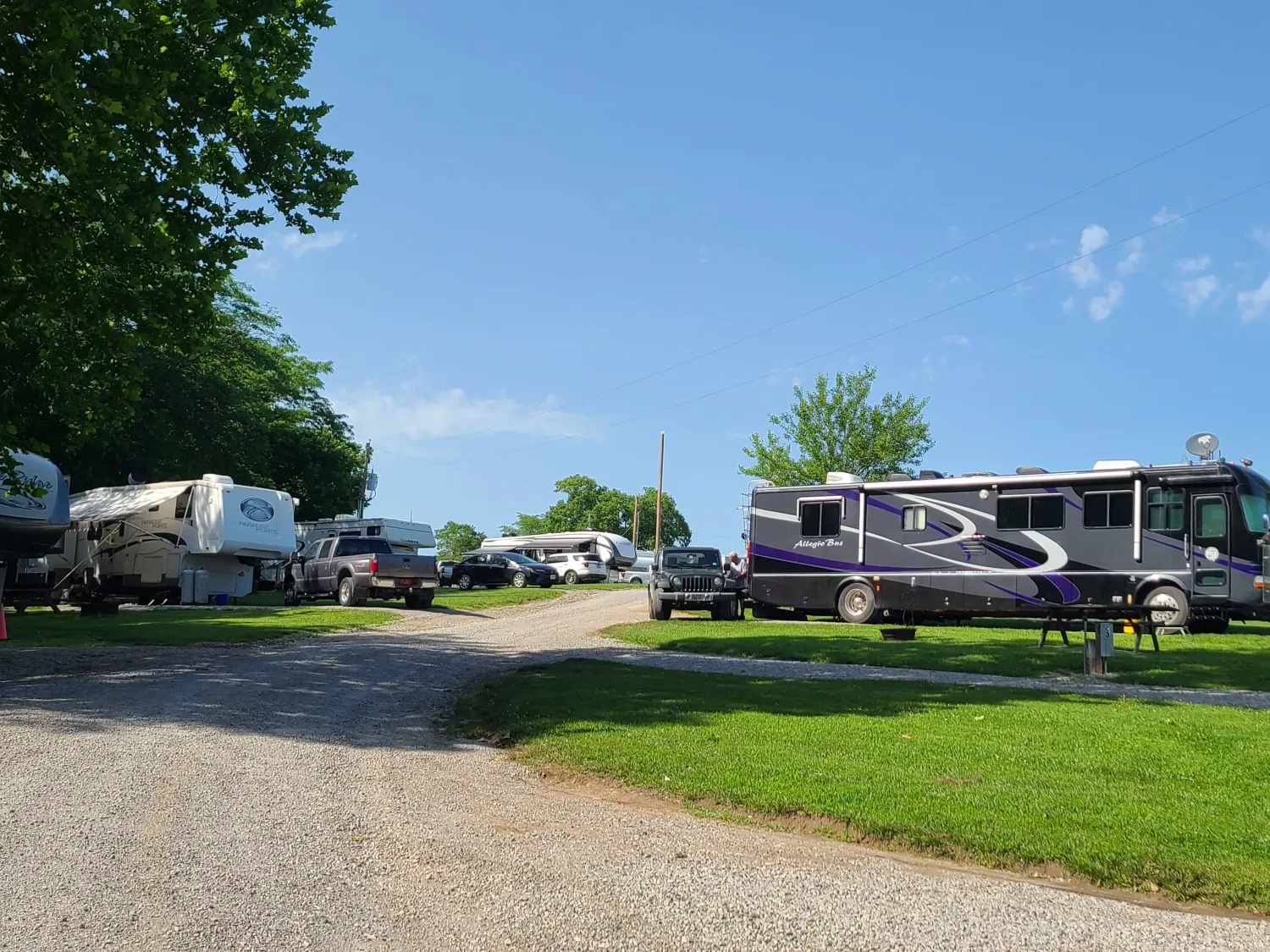
Toward the back sat campers that looked as though they had been “seasonal”.... for about 28 years. Flat tires, tall grass, and parts slowly surrendering themselves back to the earth. If I’d seen mushrooms growing out of one, I might have declared the recycling process complete.
Fortunately, our site was up front. Then we went into the office to check in. The ceiling was coming apart, things were hanging down, and stuff was piled everywhere. I wondered how anyone cleaned that, but I digress.
The bananas for sale were black. Not a little spotted. Black. Somehow the older gentleman behind the counter could still reach the old-fashioned cash register. I have to say I wanted a photograph so badly, but decided that was probably not the moment to whip out my camera.
We paid, parked, and hoped for the best. Luckily it poured rain all weekend, you'll find out why in just a few moments. We and the two other campers who had lights stayed inside in the evenings; by day, we headed out to explore.
It was much later when we heard that the area had a reputation for illegal drug activity. This is where the luck comes in. We did not see or experience any of that ourselves, and I’m grateful for that. We had already decided we would not be returning, but the lesson stuck: being in the right location does not make a campground the right place to stay. Check out your campground before you book!
Why Campground Selection Goes Wrong Without a Checklist
A campground can be in exactly the right place and still be the wrong place to stay. I’m all for following your nose wherever the wind blows, that is until you’re pulling a 30-foot trailer and the road ahead looks suspiciously like a goat path.😏
The real mistake is assuming that “near the attractions” tells you anything about where you’ll drink your morning coffee or spend your evening.
We usually do destination camping.
We want a comfortable home base, then we go hiking, sightseeing, shopping, or wherever curiosity leads us.
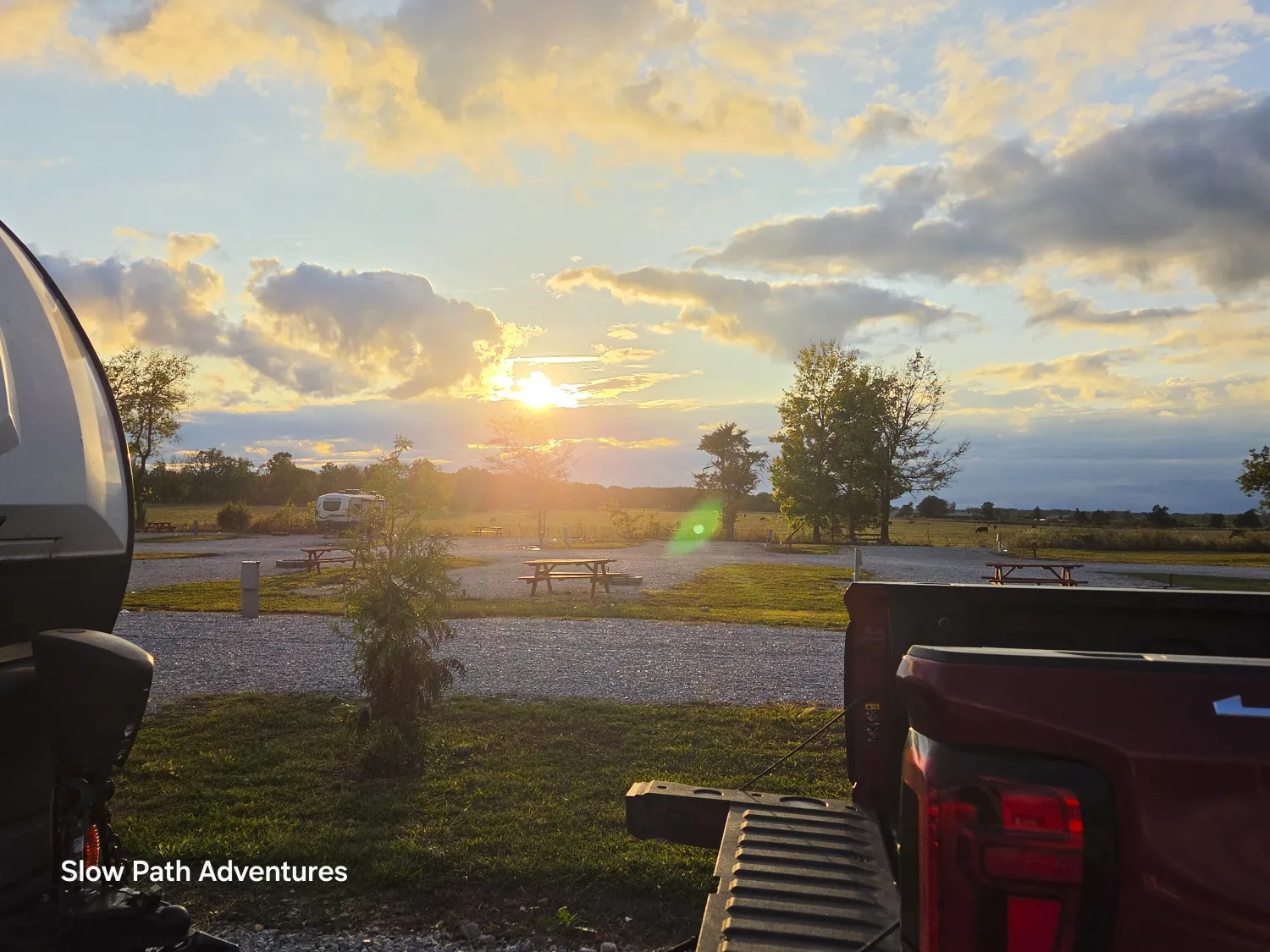
This past weekend, for example, we stayed at Osage Beach RV Park because it was close to home yet felt quiet and secluded. We hiked at Ha Ha Tonka State Park one day and Lake of the Ozarks State Park the next, then enjoyed shopping (I spent way too much on a cute little jacket at the cowgirl boutique I just couldn't resist) and a winery (or two, hmmm, I can't remember...yeah I can...it was 2!).
The campground was the place we came back to, not the whole itinerary.
Someone driving across the country has a different mission. An easy-to-reach RV park near an interstate may be exactly what they need for one night. We tend to avoid interstate campgrounds because traffic noise bothers me. That is a preference, not a verdict on the campground.
Before you compare star ratings or prices, ask what kind of camping trip you are planning.
Do you want quiet evenings around a fire? A pool and activities for children? A dog park?
Full hookups and resort amenities? Or a safe, convenient place to sleep before getting back on the road?
The answer changes what you should look for. A large resort can be wonderful for a family who wants activities.
A small, rustic campground can be perfect for someone seeking solitude. Our own favorites often have roughly 60 to 80 sites—large enough to feel like a little community, but not so large that we feel surrounded by pavement.
This checklist isn’t about getting everybody to camp my way. Heaven knows we’d all be fighting over the same shady sites with fire rings! It’s about knowing what matters to you before you click Reserve.
The Complete Campground Selection Checklist
Here are the 12 things I’d check before clicking Reserve. I start with the area we want to explore, hunt down the campgrounds nearby, and do a little detective work before choosing where to park our home on wheels. Many times I start with RV Parky...an app I have on my phone. I know there are others, but this one is just nice and simple and it doesn't bog me down with too many choices and just stuff.
· 1. Decide what kind of trip you are taking. Destination camping and one-night travel stops have different priorities. Write down whether the campground is your getaway or your base camp.
· 2. Map the area and look at the surroundings. I zoom into Google Maps and click on campgrounds in the area. Check nearby roads, traffic corridors, and what surrounds the property.
· 3. Visit the campground website. Look for site maps, campground rules, current amenities, and photos. A listing pin alone cannot tell you the atmosphere.
· 4. Study recent photographs and reviews. Look beyond the prettiest promotional image. Check the condition of sites and facilities and notice what kinds of camping setups appear.
· 5. Confirm your rig will fit and you can get in. Check site length, access roads, turns, and parking arrangements. Following your nose wherever the wind blows sounds lovely—until you are towing a 30-foot trailer down the wrong road.
· 6. Match the hookups to the length of stay. For us, electricity is essential, water comes next, and we prefer full hookups for stays of four days or longer. For shorter stays, a dump station can work.
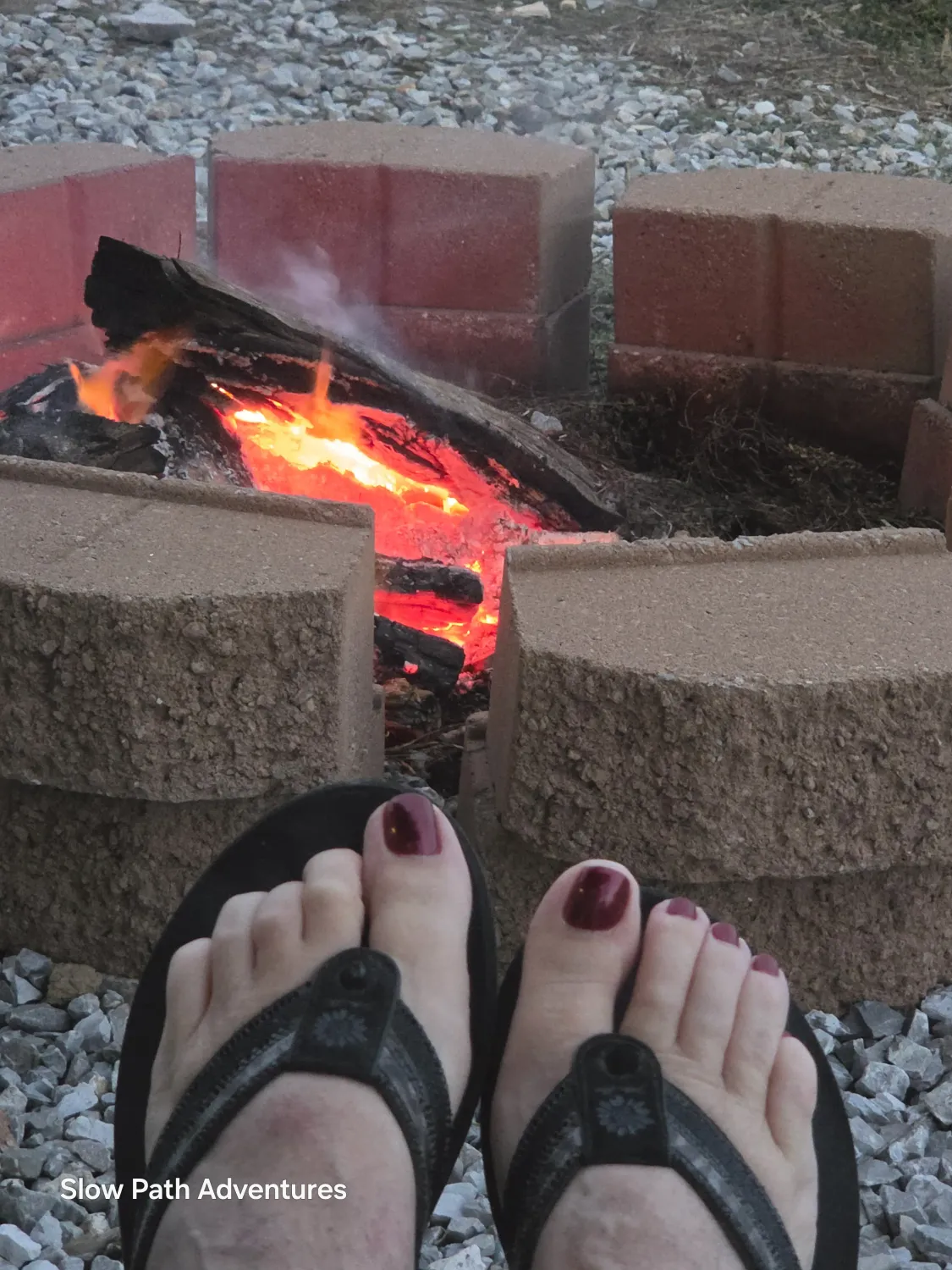
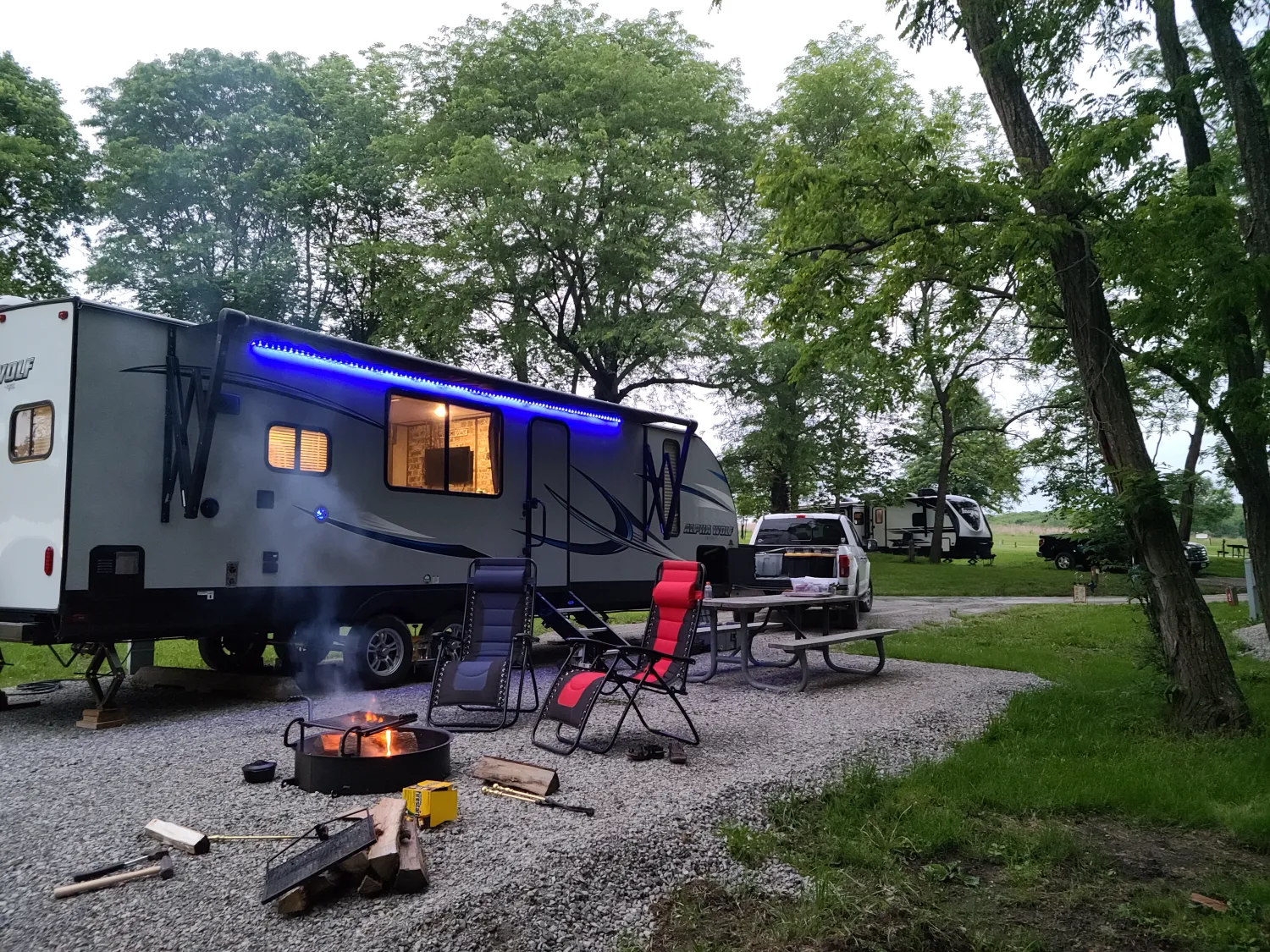
· 7. Check for a fire ring and fire rules. For us, evenings around the fire—talking, laughing, and enjoying the outdoors—are half the reason to camp. If a fire ring matters to you, verify that your actual site has one, and check current fire restrictions.
· 8. Think about wind and site exposure when picking a site. A fire ring is no fun if the wind is trying to rearrange your camp chairs. We favor sites just below a hill-crest or farther down a slope, where the terrain may offer a little shelter. Wind direction changes, though, so check the forecast and follow fire-safety rules. I'm sure the campground website is silent on this, so pick up the phone and call. The person who answers should be able to help you out with this. It is soooo worth it! I promise you!
· 9. Look for shade and outdoor breathing room. Trees and a pleasant outdoor sitting area matter to us. Some open sites feel like parking lots or pastures, which can be fine for other campers.
· 10. Consider campground size and personality. A 20-site campground feels different from a 200-site resort. Neither is automatically better; ask which setting matches your trip.
· 11. Read the rules—including pets, smoking, and cannabis. We appreciate leash requirements after a few unsettling encounters with loose dogs. We also avoid campgrounds advertising themselves as “420-friendly” because marijuana smoke is a deal-breaker for us. Check the written policies or call if anything is unclear.
· 12. Compare the price with what you will use. We do not need many amenities, so a high resort price makes us look more closely. Decide what you value before paying for extras you will not use.
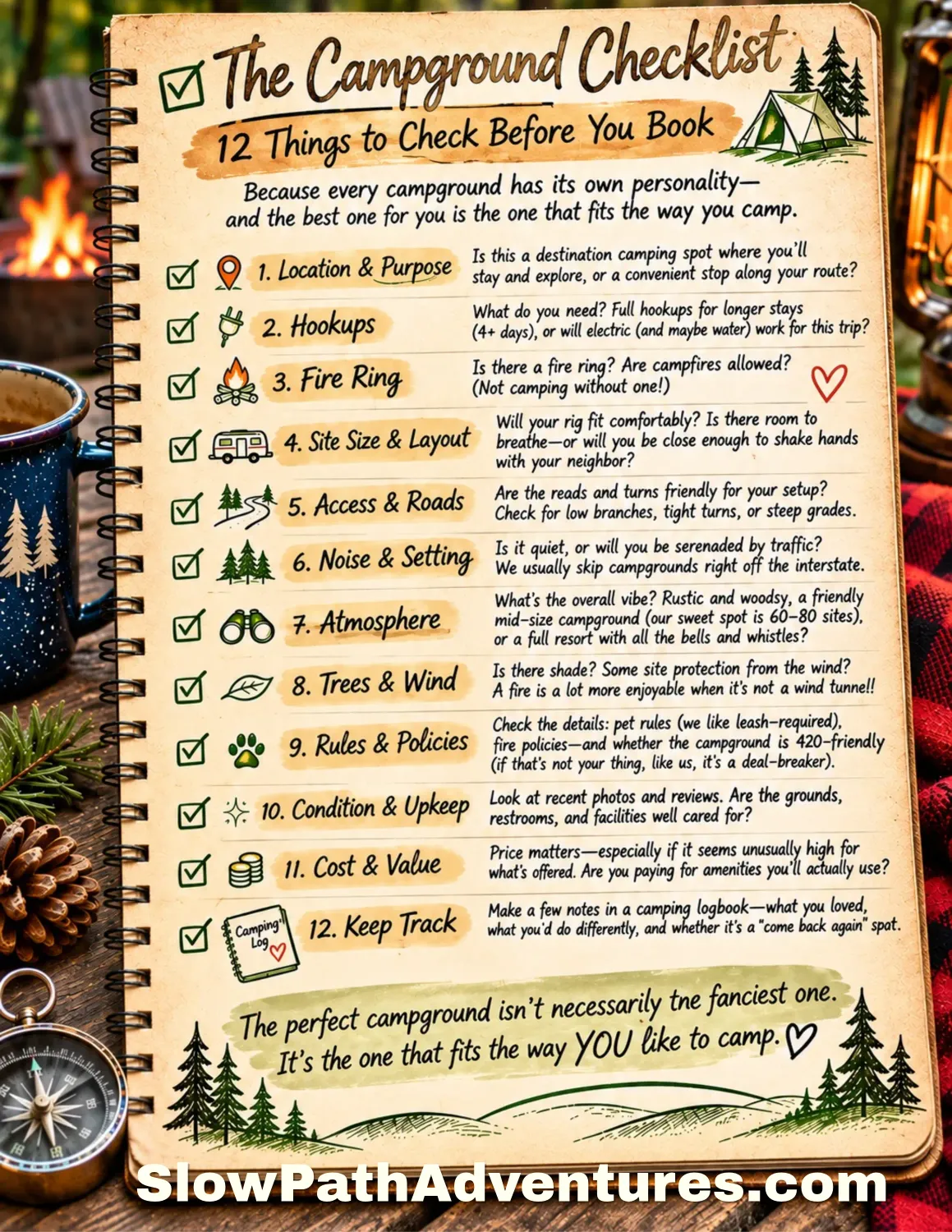
You do not have to find a campground that scores perfectly on every item. You do need to know which items are nonnegotiable. For us, electricity and a fire ring are near the top. A pool is not. Your list may look entirely different, and that is the point.
🏕️Found Your Campground? Now Find Your Adventure.🥾
Once you've found a campground that feels right, the fun really begins—figuring out what to explore while you're there.
Grab my free guide, Your Next Beautiful Saturday, for 12 scenic, interesting, doable outing ideas, simple ways to find them near you, and my “Glad We Went” check to help you choose. And yes! It's all about finding YOUR adventure not someone else's.
It works just as well when you're exploring near home as it does when you're looking for something interesting beyond the campground gate.
And yes, it's perfectly acceptable to have a Beautiful Saturday on a Tuesday.
Campground Details People Forget to Check
The details that spoil a stay are often the ones that seemed too small to check. Hookups are obvious. A fire ring, the direction of the wind, the sound of nearby traffic, and the condition of the property are easier to overlook until you are already parked.
Start with the fire ring. For us, sitting around the fire is not a decorative camping tradition. It is where some of our best conversations happen. Another camper might never strike a match, and that is fine. But if evenings by the fire are important to you, do not assume every campsite includes one. Check the listing or ask.
Then think about wind. A fire ring in a wind tunnel is just a fancy place to watch your marshmallows fly away. We look for a site a little below the crest of a hill, where the terrain might offer some protection. Of course, a hillside can’t promise a calm evening, and high winds or fire restrictions may mean skipping the campfire altogether.
Noise is another easy miss. If you want to spend your evenings listening to the outdoors, check how close the campground is to major roads. I would rather be a little farther from the interstate when we are staying to explore. For an overnight traveler, the convenience might be worth it.
Photographs can also tell you what a description does not. Look at the spacing between rigs, the amount of shade, the roads, and whether the grounds appear cared for. A campground full of seasonal campers is not automatically poorly maintained. The distinction is upkeep: you want evidence that the place is looked after.
And please read the rules that affect your comfort. We like campgrounds that require pets to be leashed. We’ve had a few uncomfortable encounters with loose dogs while walking, although serious incidents have been rare. I also look for smoking and cannabis policies.
And here's a quick note: you may see a campground described as “420-friendly.” That generally signals a welcoming attitude toward marijuana use, though it doesn’t tell you exactly where smoking is allowed. Personally, I cannot stand the smell of marijuana. I want to sit beside our fire, enjoy God’s world, and talk—not have somebody else’s smoke drifting through our site. That’s an absolute no for us. Other campers may feel differently, but it pays to know the atmosphere before you arrive. The only smoke I want wafting past my camp chair is from our own fire ring.
These are not reasons to rule out every campground that is different from yours. They are reasons to notice the difference before you arrive.
If you're loving this blog, you will also enjoy our previous post under Worth The Detour:
How to Use the Campground Checklist Every Time
A campground checklist works best before you reserve, while you still have choices. My process starts with a map, not a booking button. I choose the area we want to visit, find the campgrounds around it, and then investigate each promising option.
An app such as RV Parky can help me see what is available in the general area. From there, I zoom into Google Maps, click on individual campgrounds, open their websites, and study the photos. I check hookups, fire rings, campground size, surroundings, and the kinds of rigs shown in the pictures. If a detail matters and the website does not answer it, the next move is to contact the campground rather than guess.
Before you begin, divide your own preferences into three groups: must-haves, nice-to-haves, and deal-breakers. For us, electricity is a must-have. A fire ring is central to the experience we want. Shade and quiet make a campground more appealing. Resort activities are usually extras we do not need. Someone traveling with children, pets, or a different camping setup will make different choices.
When a campground misses a must-have, move on or find a clear workaround. If it misses a nice-to-have, decide whether the location and other features make up for it. If the price feels unusually high for amenities you will not use, compare another option before booking.
Once you stay somewhere, make a note of it. I keep a camping logbook, and we return to favorite places. A few details about the site, noise, shade, hookups, and overall atmosphere are worth more to me than trying to remember later which campground had that perfect spot near the trees.
In my camping logbook, I record the campground, site number, what we liked, and whether we would book it again.
And once you’ve found a campground that feels like your kind of place? That’s when the other half of destination camping begins: finding the little adventures nearby. A waterfall and lunch. A bit of history and a slice of pie. A scenic drive with somewhere worth stopping. My free guide, Your Next Beautiful Saturday, shares 12 scenic, interesting, doable outing ideas, simple searches and my map trick for finding them near you, plus the “Glad We Went” check to help you choose. It works around home or around your campground. And yes, Tuesdays count, too.
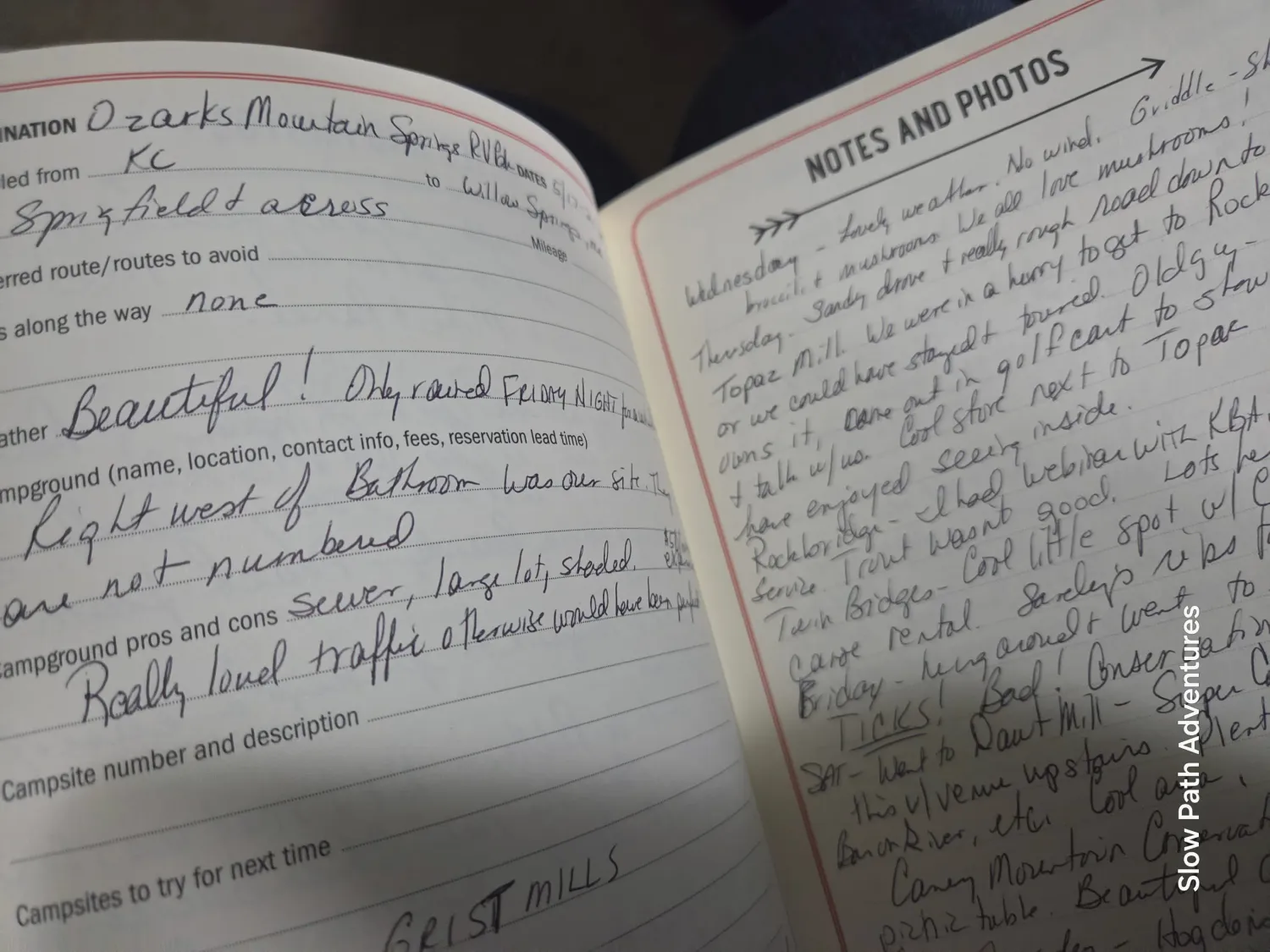
I've kept a log book of our travels for years. Here's just a page so you get the idea.
FAQ: Campground Selection Checklist
How long does it take to check a campground before booking?
There is no fixed time. Start by deciding what you need, then compare the campground map, website, photos, rules, and surroundings. If a must-have is unclear, contact the campground before booking. Spending a little time checking is preferable to discovering a deal-breaker after you arrive.
What should I check first when I am short on time?
Start with the non-negotiables: a site that fits your rig, workable access, the hookups you require, and the rules or features that define your trip. For us, electricity and a fire ring rank high. For someone else, an easy interstate stop or pet-friendly facilities may matter more.
What if the campground does not have something I want?
Decide whether the missing feature is a must-have or simply a preference. No full hookups for a short stay may be manageable if there is a dump station. No fire ring is a much bigger disappointment for us. If a key detail is unclear, ask the campground directly.
How often should I update my campground checklist?
Use the checklist whenever you consider a new campground, and adjust your priorities as your camping style changes. Keep notes after each trip about what you enjoyed and what you would avoid next time. Your own camping logbook becomes a useful reference when you revisit favorite areas.
Visit us at Slow Path Adventures and Join our Community today.

Brand new from our store! Get your
HIKING TO CHURCH ornament for your Christmas tree
presented by Slow Path Adventures Shop