

How to Find Interesting Places to Visit Near You
Last Updated on: October 27, 2026
TL;DR: There are probably more interesting places around you than you think. The trick is not asking Google to entertain you until something shiny appears. It’s knowing what catches your curiosity, learning how to poke around an area, and figuring out whether that gorgeous little dot on the map leads to a lovely overlook—or 427 stairs and a regrettable life choice. If you want the shortcut, Your Next Beautiful Saturday gives you 12 outing ideas to start with. If you want to know how I go from “What in the world should we do today?” to “I’m glad we went,” keep reading.
There is a particular kind of Saturday-morning conversation that goes something like this:
“What do you want to do today?”
“I don’t know. What do you want to do?”
“I don’t know.”
And forty-five minutes later, you are somehow still in the kitchen.
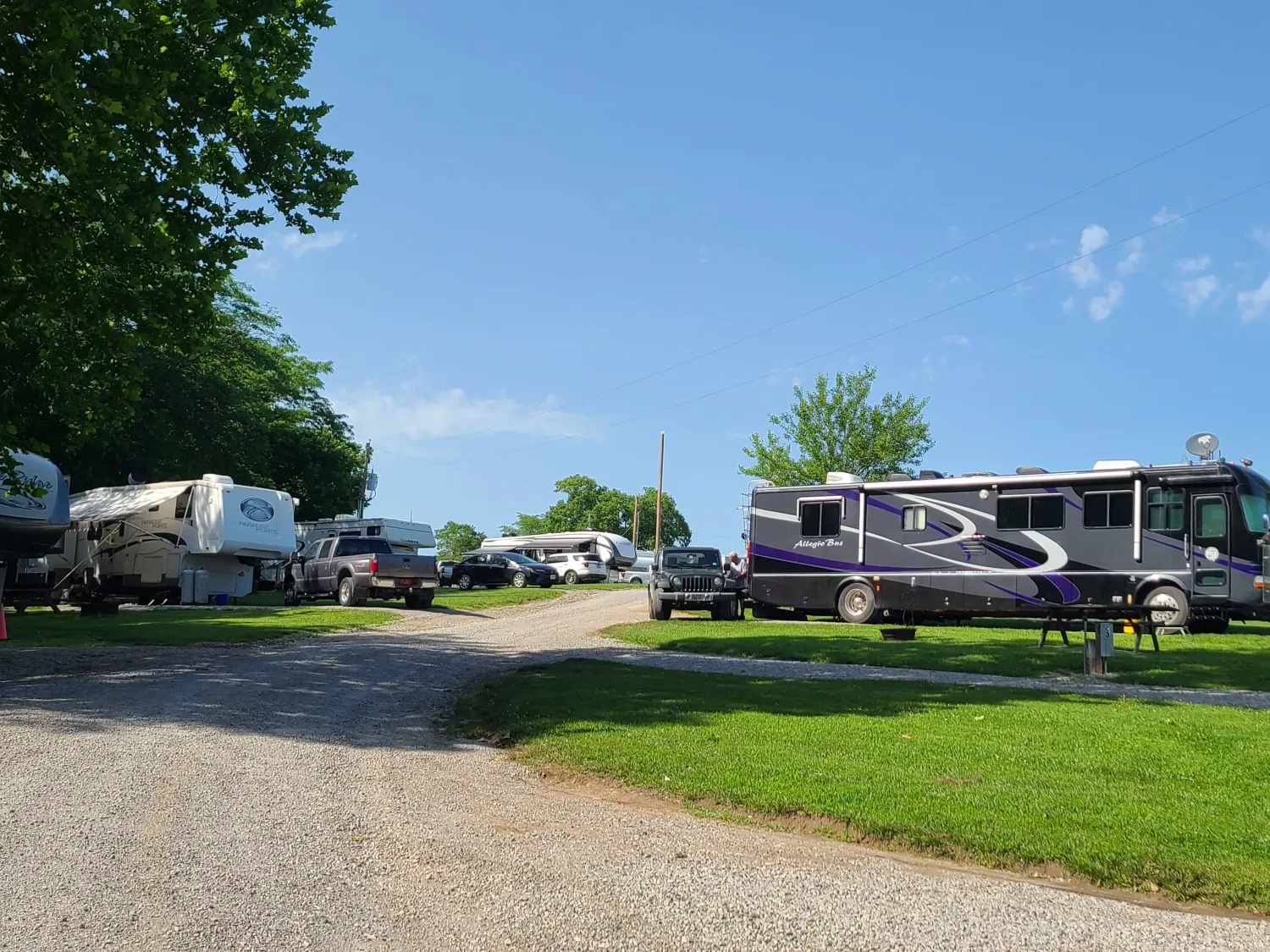
Or maybe you’re sitting at the campground with coffee, looking at each other as if one of you was secretly appointed Activities Director and has failed to report for duty.
I made Your Next Beautiful Saturday for exactly those moments. It has 12 kinds of outings to get you past the blank-page problem, plus my favorite Map Trick for finding possibilities near home or wherever you happen to be camping.
But there’s something else worth learning, because once you get the hang of it, the area around you starts looking different.
Finding a good outing isn’t really about compiling a bigger list of Things To Do.
It’s about learning to notice possibilities—and knowing which ones are actually worth putting on your shoes for.
In this post
Where Do You Start Looking for Interesting Places Nearby?
Start with the kind of day that sounds good, then get nosy.
That second part may be my favorite.
You don’t need to know the destination yet. You just need a direction for your curiosity. Maybe today sounds like a pretty drive, an old downtown, a garden, a short walk to something worth seeing, a historic site, a lake, or someplace where you can wander around for a bit and then locate pie.
Pie is a perfectly legitimate trip-planning criterion.
What I wouldn’t do is begin with a giant generic list of “Things to Do Near Me.”
That’s how you end up evaluating an escape room, a trampoline park, three chain restaurants, and the attraction every tourist within 200 miles already knows about.
Instead, start paying attention to clues.
Maps are full of them. So are local visitor centers, park offices and those brochure racks we all walk past.
And if you’re camping, talk to the campground host.
Campground hosts can be gold mines.
They hear where people went yesterday. They know which scenic drive is prettier than people expect, which local restaurant everybody comes back talking about, and which attraction sounds wonderful until you discover that half the county apparently decided to go there at the same time.
Instead of asking, “What is there to do around here?” try something more useful:
“If you had half a day free, where would you go?”
Now we’re getting somewhere.
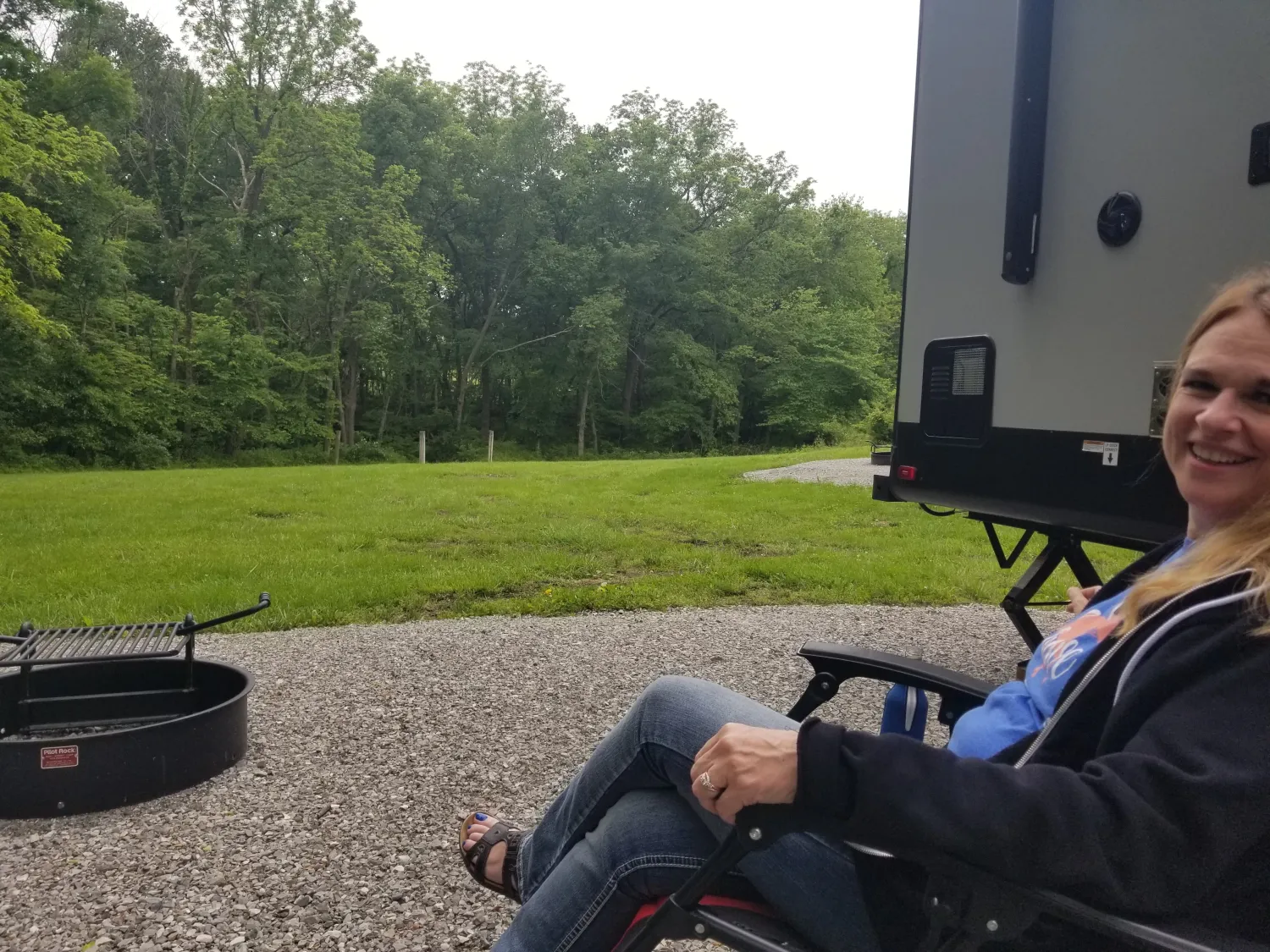
Sometimes the hardest part of a day out is deciding to get out of this chair.
How to Find Nearby Places That Match Your Interests
Once something catches your attention, follow the thread instead of immediately deciding whether it deserves your Saturday.
This is where I become highly susceptible to suspicious little labels on maps.
Old Mill Road.
Well, now I need to know where the old mill went.
Scenic Overlook.
You have my attention.
Devil’s Something-or-Other.
That could be gorgeous.
It could also involve climbing down the side of a bluff while holding a rope.
Further investigation is warranted.
Curiosity earns its keep here.
Look around the edges of places you already know. Follow roads you’ve never taken. Notice green spaces, lakes, historic markers, wildlife areas, tiny museums and towns you’ve driven through without ever turning off the highway.
And when you’re camping, turn your mental map around.
It’s easy to think of your campground only in relation to the Big Thing you came to see. The national park is that way. The lake is over there. The attraction is 20 minutes east.
Fine.
What’s west?
What’s 15 minutes north?
What’s hiding in the little town you passed while pulling the camper in?
Sometimes the interesting find is sitting in the direction nobody told you to look.
And when something makes you say, “Huh. What’s that?” save it.
You are collecting possibilities, not entering into a legally binding relationship with a picnic table.
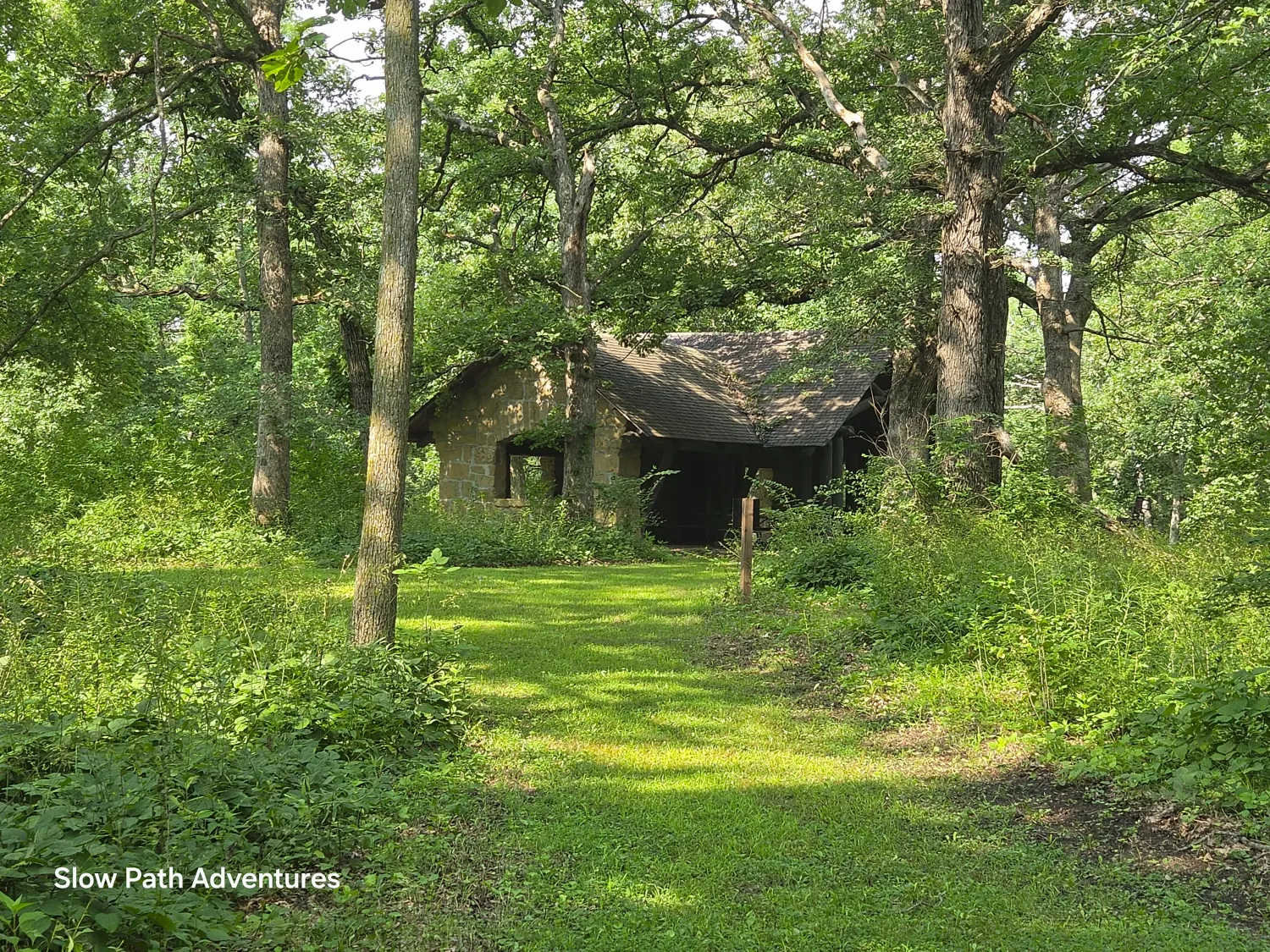
A little cabin tucked into the woods? Of course I want to know its story.
What to Check Before Visiting a Scenic Spot
Now comes the part that has saved me from more than one questionable decision: figure out what seeing the pretty thing actually requires.
Because photographs are sneaky.
A beautiful photograph tells you what somebody saw.
It does not tell you what they had to do to see it.
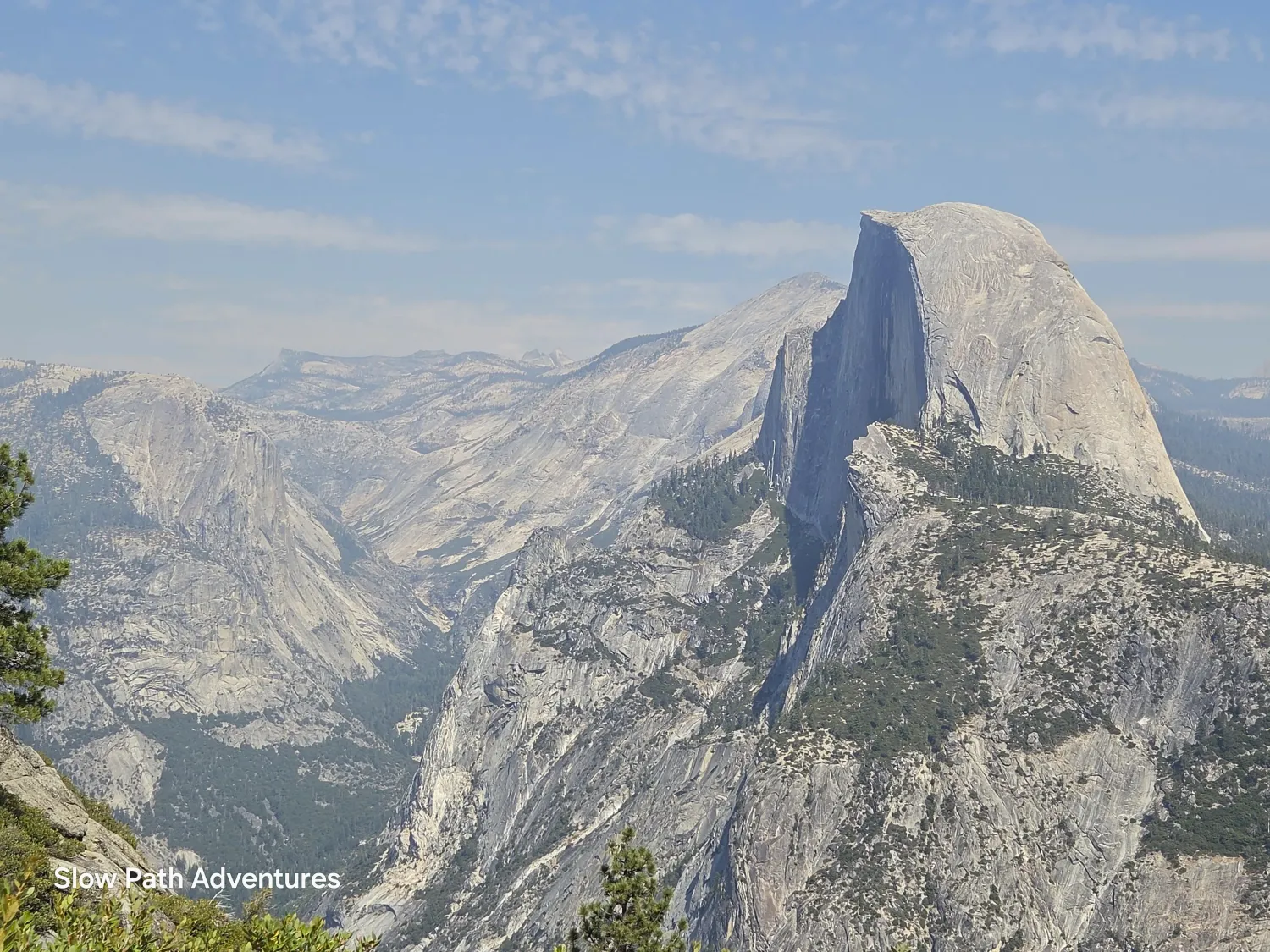
That waterfall may be spectacular. The person who took the photograph may also have hiked three miles downhill, crossed a creek twice and made peace with several major life decisions on the climb back out.
This is why I look for the words hiding behind the pictures.
Overlook. Viewpoint. Boardwalk. Paved. Parking nearby. Benches. Scenic drive.
Those words have potential.
Then there are words that deserve a second cup of coffee and further investigation:
Primitive. Rugged. Steep. Uneven. Scramble.
And my personal favorite:
Short trail.
Short is a measurement of distance.
It is not a character reference.
A short trail can apparently go straight up.
So before I get attached to a place, I want to know: Where do we park? How far is the thing I actually want to see from there? What is the surface like? Are there stairs? Is there shade? Are there places to sit? Are the restrooms anywhere near civilization? Does “accessible” apply to the attraction—or merely to the visitor center gift shop?
And if someone in your group needs an easier outing, plan around the person who needs the easier version.
That doesn’t make the outing lesser.
It makes it one everybody gets to enjoy.
The scenery should take your breath away—not the climb getting there.
That’s the point of checking the experience before choosing it.
You aren’t trying to prove anything.
You’re trying to come home saying, “I’m glad we went.”
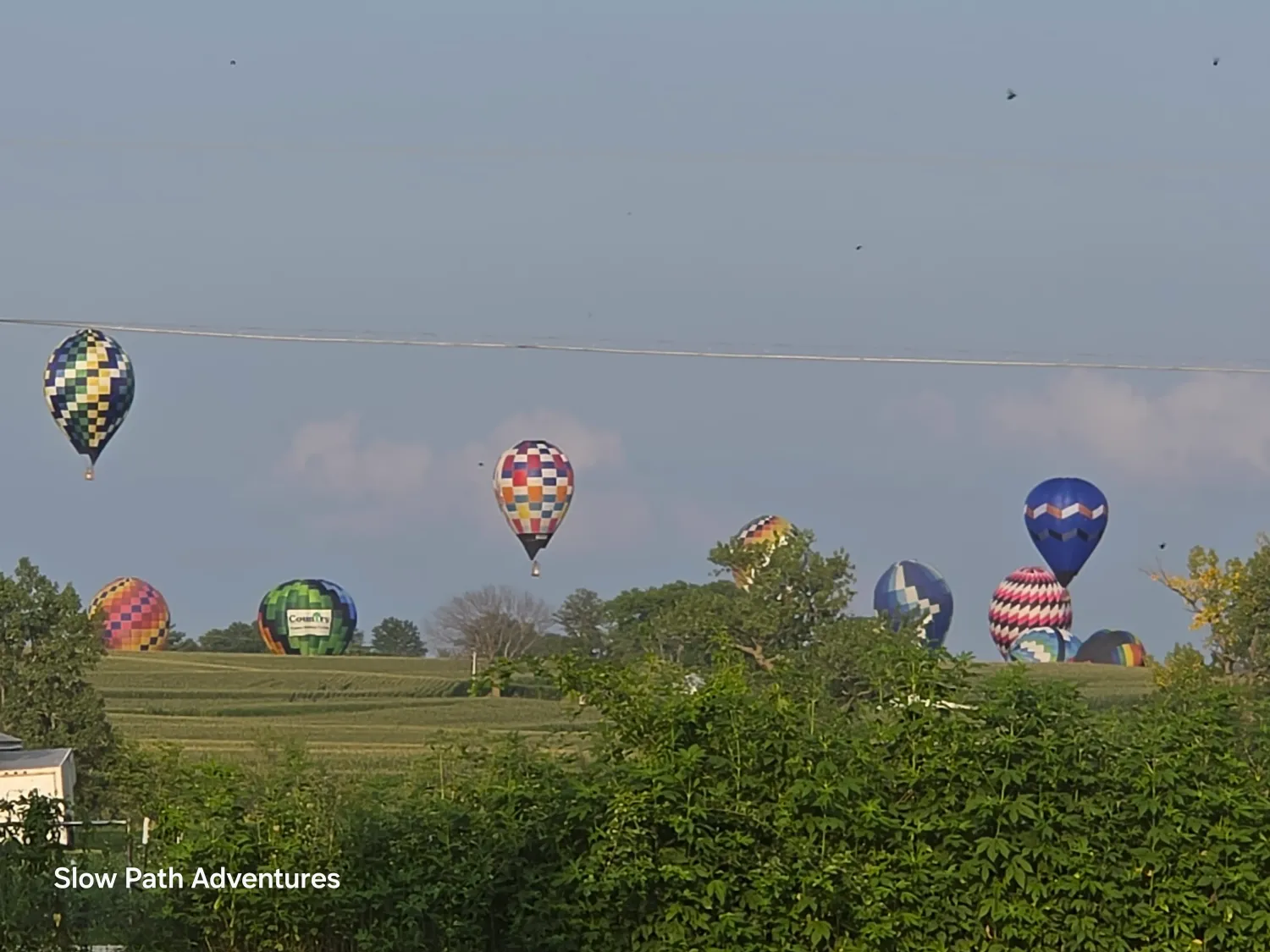
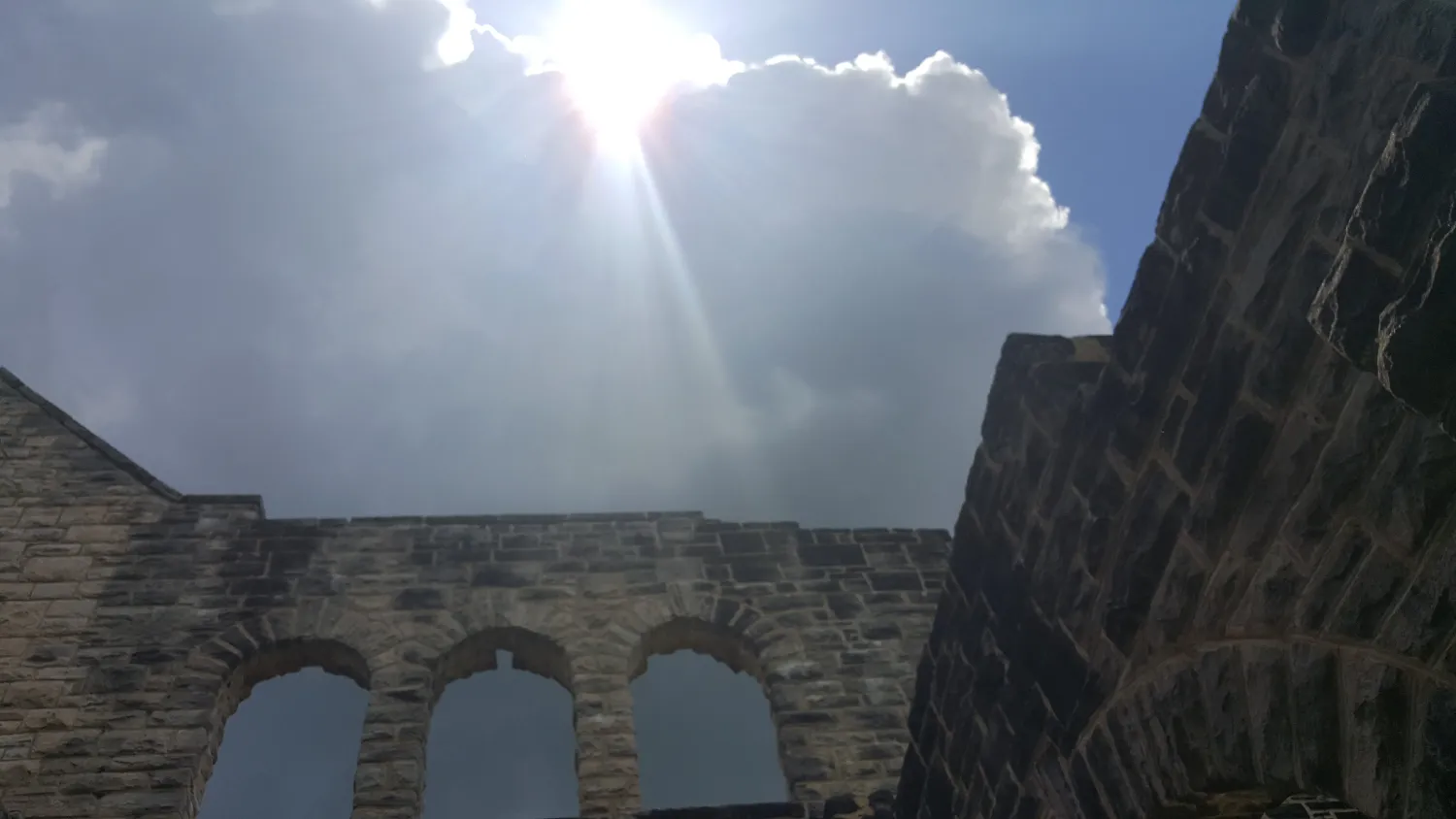
Not every great outing involves hiking boots. Sometimes looking up is plenty.
How to Choose Between Your Outing Ideas
Once you have a few contenders, stop asking which one is “best.” Ask which one fits this particular day.
This is where outing planning becomes less about ratings and more about matchmaking.
You have weather.
Energy.
Drive time.
Walking.
Crowds.
How much daylight is left.
Whether your knee has submitted a formal complaint.
And, importantly, how badly you actually want to see the thing.
That last one deserves more credit than it gets.
I will walk farther for something I am dying to see than I will for something that merely received 4.8 stars from 2,000 strangers.
You probably will too.
Maybe one choice has a gorgeous two-mile trail. Another has a scenic overlook five minutes from the parking lot.
On a cool morning when everybody slept well? Bring on the trail.
On a 93-degree afternoon after three days of sightseeing?
That overlook is starting to look like excellent judgment.
There’s also a tradeoff I make all the time: Where do I want to spend my effort?
I might happily drive farther if the exploring is easy once we arrive.
I might take a longer walk if the destination is nearby.
I might tolerate some stairs for something I really want to see.
I am less inclined to endure all three at once unless there is something spectacular waiting at the end.
You do not get bonus points for choosing the hardest outing.
There are no judges.
You’re trying to come home saying, “I’m glad we went.”
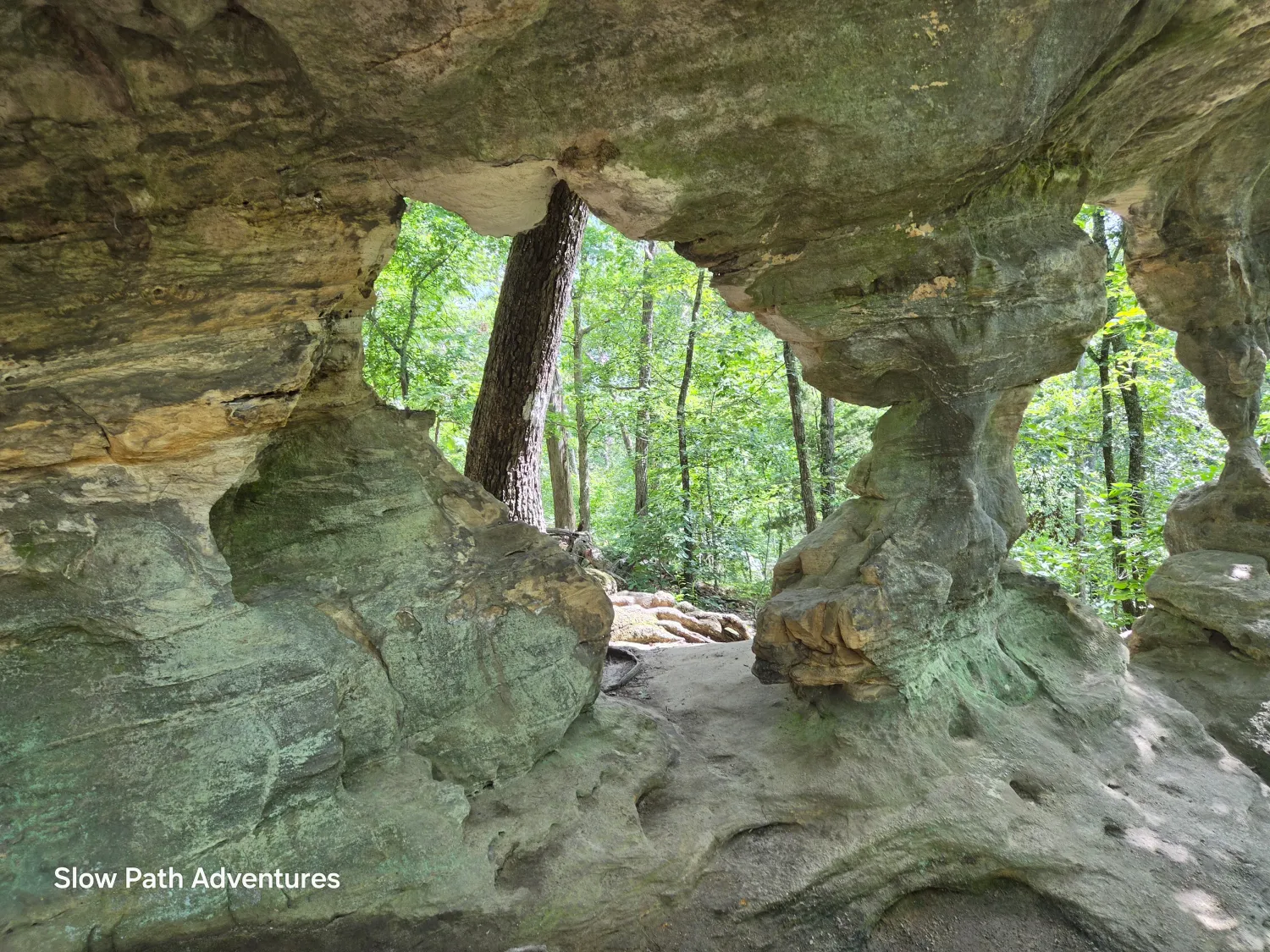
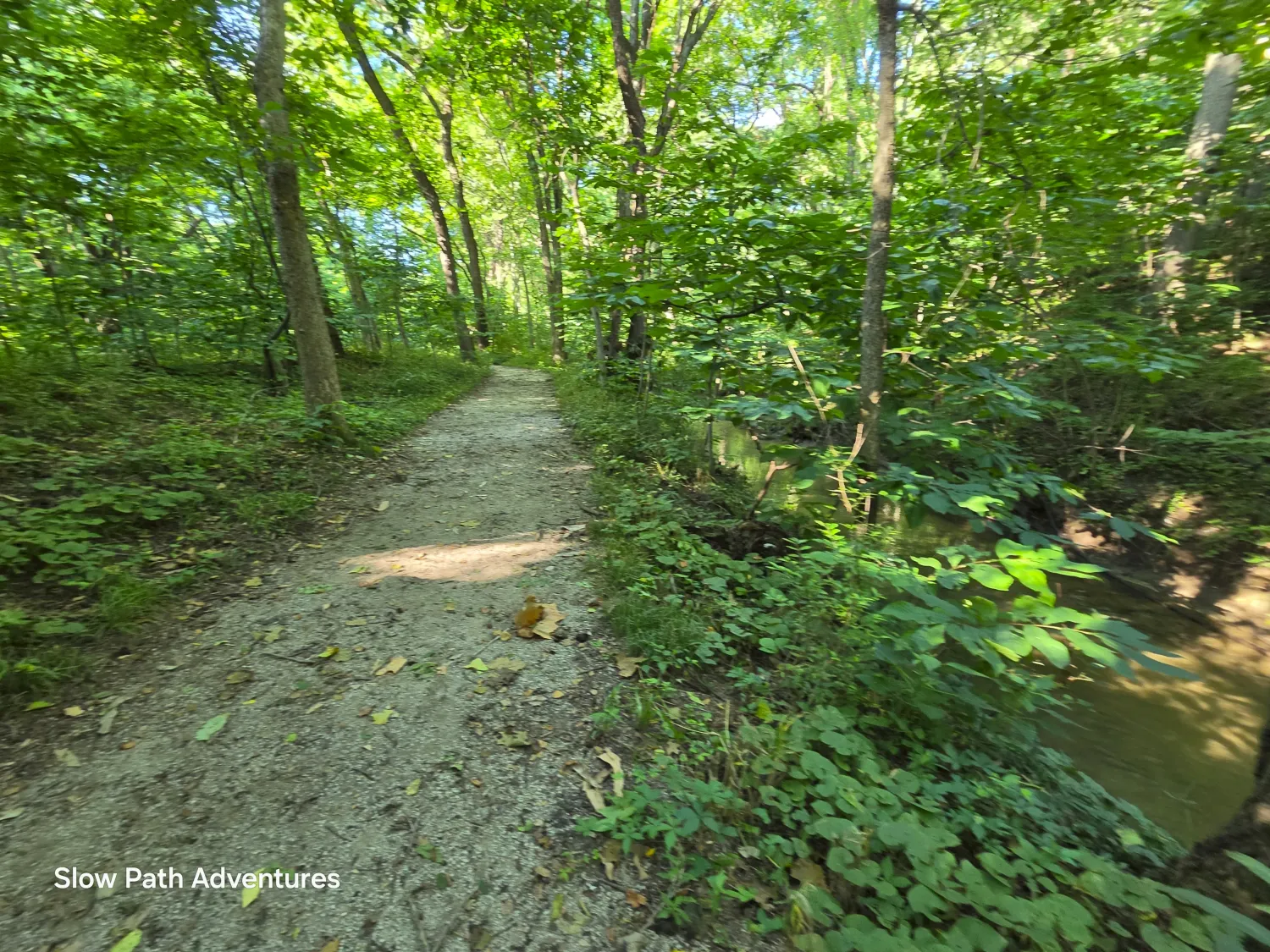
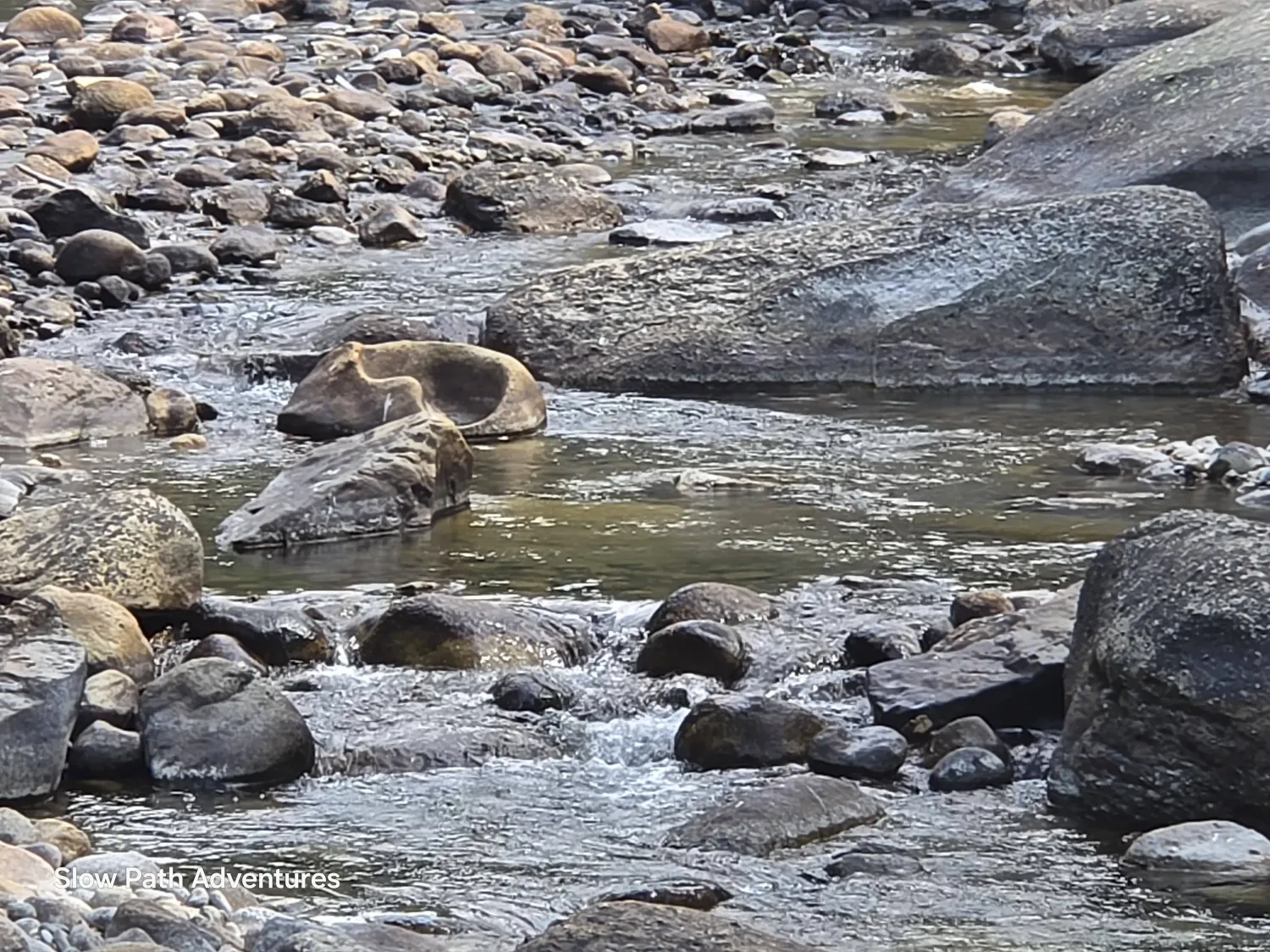
Interesting places sometimes come with interesting footing. It's good to know that before you go.
How to Turn One Interesting Stop Into a Day Out
Once you have your main destination, look nearby for one good extra.
One.
This is how an outing starts feeling like a day out without requiring a clipboard.
Maybe there’s a little downtown near the garden.
Maybe the scenic drive passes a historic site.
Maybe there’s an overlook ten minutes beyond the place you were already going.
Maybe the trip home happens to pass a place selling pie.
We have already established my position on pie.
The extra doesn’t have to be impressive.
It just has to make sense with the day.
And I am a strong believer in leaving some breathing room.
You do not need to turn every outing into Seven Amazing Stops Before Sundown.
Sometimes the best part is the road you weren’t expecting to be pretty, the little town where you decided to stop, or the extra half hour you spent sitting somewhere because nobody was rushing you to Stop Number Five.
Besides, if you cram the day full as a tick, there’s no room left for discovery.
Choose the main reason to go.
Add one good extra.
Then leave enough room for the day to surprise you.
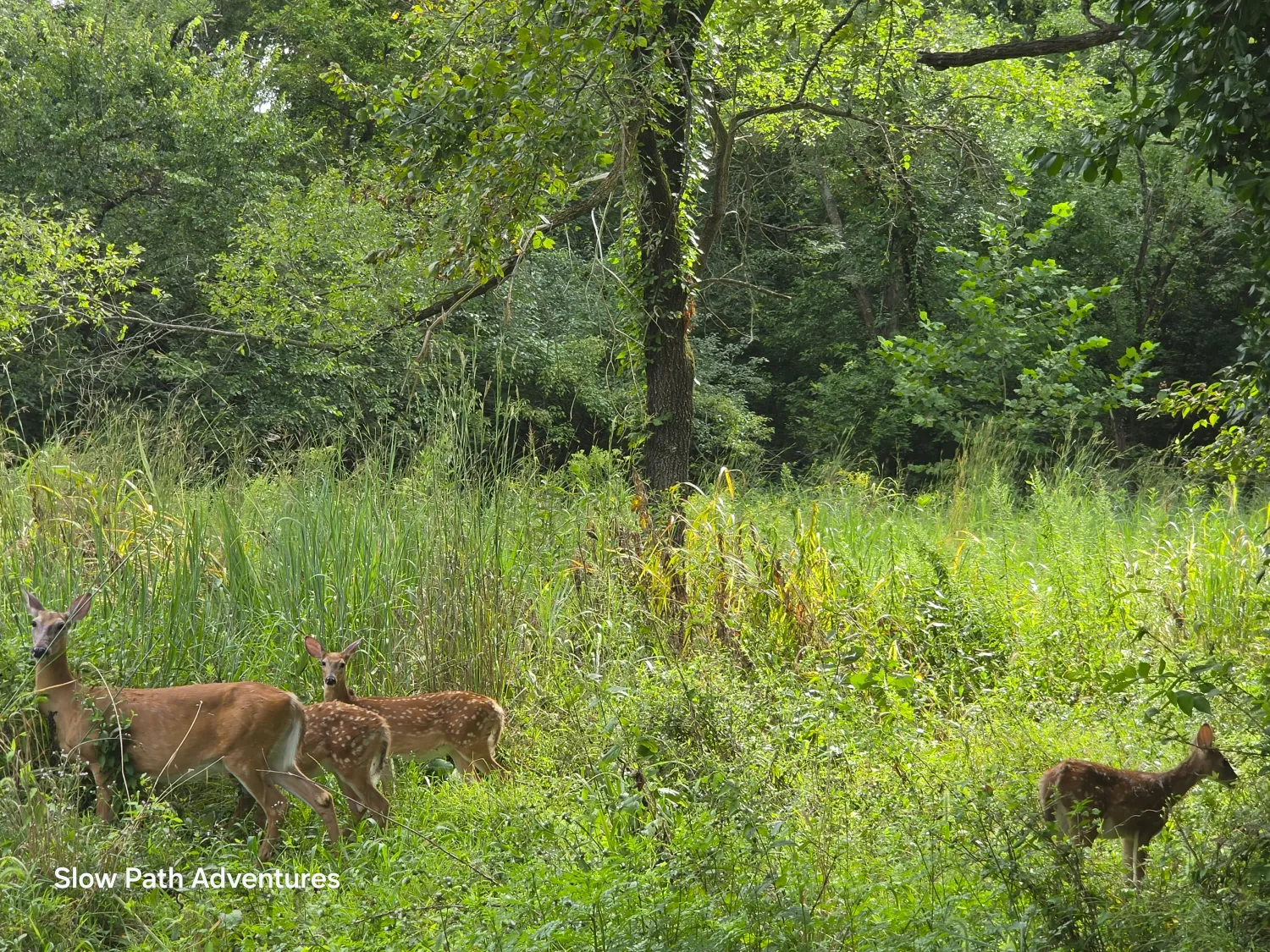
We didn't put a family of deer on the itinerary. They showed up anyway.
Frequently Asked Questions About Finding Nearby Outings
How do I find hidden gems near me?
Don’t search only for “hidden gems.” Search for the things that make you curious: overlooks, gardens, historic sites, wildlife areas, scenic roads, unusual museums, lakes, old mills or interesting small towns. Then poke around the surrounding map. One interesting place often leads to another.
What should I ask a campground host about things to do nearby?
Try asking what they would do with a free half-day, where campers keep coming back excited about, or what’s nearby that visitors tend to miss. Those questions invite personal recommendations rather than a recitation of the area's biggest attractions—and may turn up something you would never have searched for.
How can I tell how difficult a scenic attraction will be?
Look past the main photo. Check how far the attraction is from parking, along with the trail surface, elevation, stairs, seating and accessibility information. Pay attention to the adjectives used to describe the route. “Short” tells you distance; it does not promise “easy.”
How far should I drive for a day trip?
Instead of setting an arbitrary mileage limit, decide how much of the day you want to spend getting there. A longer drive may be completely worthwhile when the destination is special and exploring it is easy. On another day, something twenty minutes away may be exactly right.
How do I find things to do near my campground?
Use the campground as the center of the map rather than thinking only about the attraction that brought you there. Look in every direction, ask the campground host, investigate nearby towns and follow interesting map labels. The best side trip may be in precisely the opposite direction from the place everybody came to see.
And if you are currently thinking, “This is all very nice, K.Kay, but I still need an idea for Saturday,” I can help with that too.
Your Next Beautiful Saturday gives you 12 different kinds of outings to choose from, then helps you start finding versions of them near home or your campground. I also tucked my detailed Map Trick in there—the part I deliberately didn’t give away here.
Because sometimes you want to enjoy the hunt.
And sometimes you just want somebody to help you get the ball rolling.
Written by: K.Kay - Slow Path Adventures