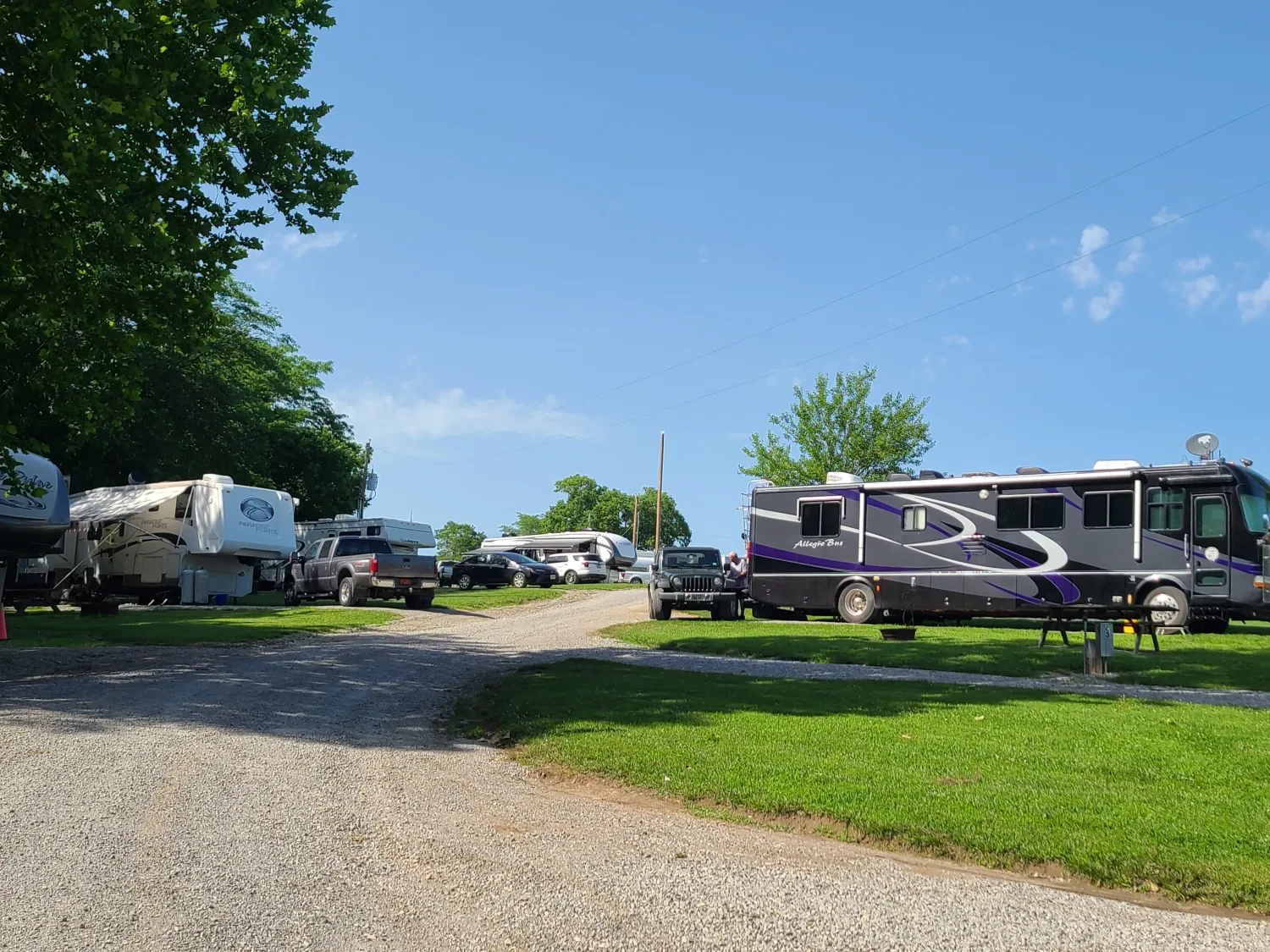


The Slow Path: Adventure Doesn't Have to Be Extreme
TL;DR: Adventure doesn’t have to be extreme to be extraordinary. The Slow Path is for people who want beautiful places, meaningful discoveries, and real outdoor adventure without treating every trip like an audition for a survival show. Around here, the scenery should take your breath away—not the climb getting there.
The Slow Path: Adventure Doesn't Have to Be Extreme
Maybe you’ve looked at an outdoor adventure and thought, That looks incredible... right before the photo carousel showed a cliff edge, a brutal climb, or somebody dangling cheerfully from a rock face.
And if your next thought was, Well, that’s not for me, pull up a camp chair.
You may be exactly who The Slow Path is for.
Slow Path Adventures was built around a pretty simple idea: there’s more than one way to have an adventurous life.
I gotta tell you, for years I spent hours researching our next hike and campground. My husband used to say, “My wife looks for three things when she’s researching our next camping trip: hiking trails, a firepit, and a nearby winery.”
Okay, the winery isn’t the main goal.
But the hiking trails and scenery? Paramount.
And yes, I really do want a firepit.
The problem was finding just the right places for us.
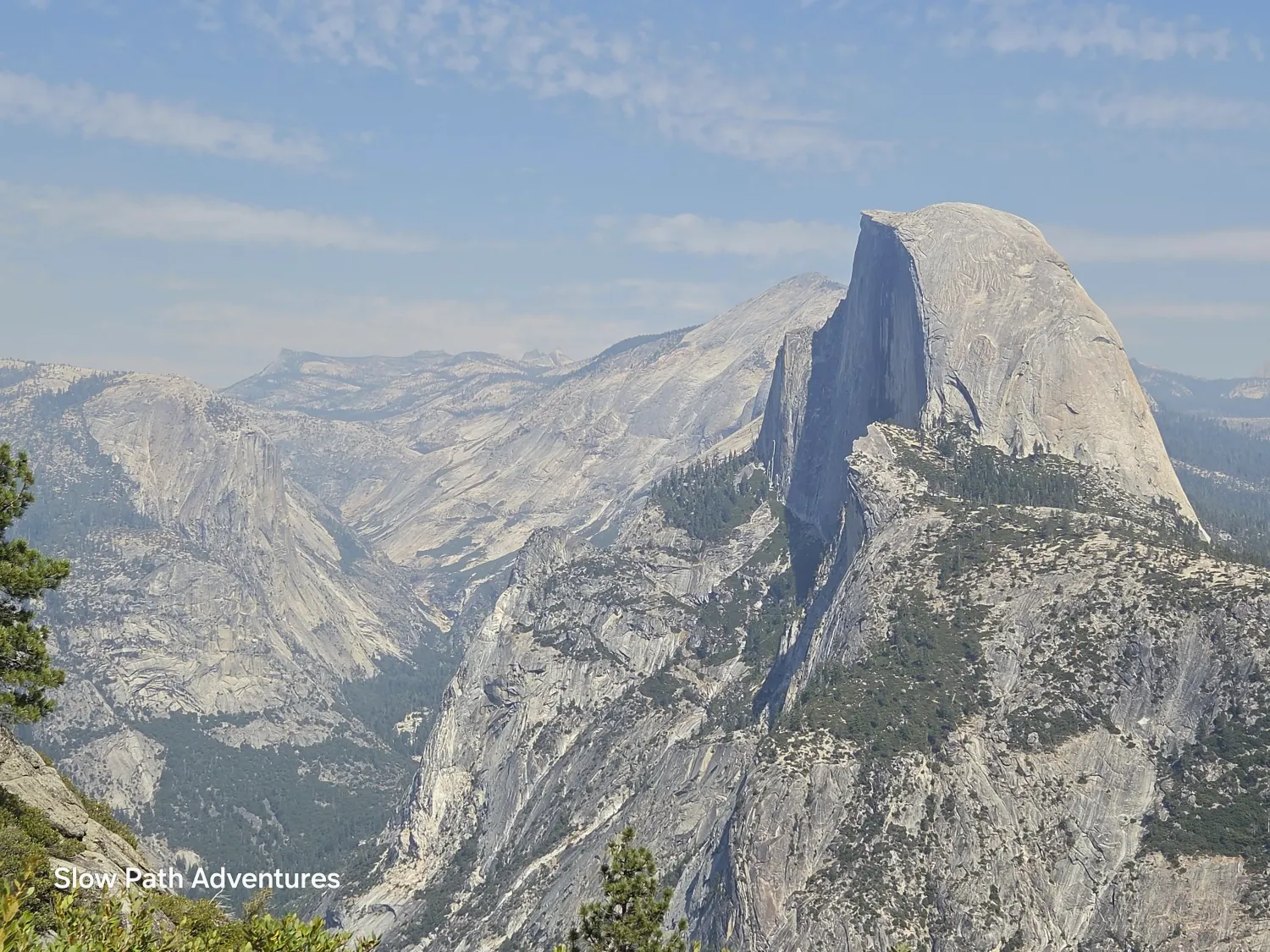
It seemed like everybody was looking for the next 30-mile backcountry hike with 2,000 feet of elevation gain, while we were over here wanting a beautiful two-to-four-mile hike that took us past unique rock formations, waterfalls, old ruins, or some incredible view.
Something pretty. Something interesting. Something that got us out of the house, kept us moving, and made us glad we came.
Oh—and 200 feet of elevation is plenty, thank you very much.
We’ll do more from time to time. It just isn’t our favorite kind of hiking.
And that’s really where The Slow Path begins.
This new blog is where we’ll explore a different kind of adventure together—from Missouri and the Midwest to beautiful places all across the USA.
We’ve Made Outdoor Adventure Harder Than It Needs to Be
Somewhere along the way, outdoor adventure picked up a scoreboard.
More miles. More elevation. Rougher terrain. More remote. More gear. More grit.
There’s absolutely nothing wrong with loving a hard climb or a backcountry challenge. For the people who enjoy that kind of adventure, I think it’s incredible.
Part of me wishes I could still go out and do all of it.
But too many hours behind a desk—and, let’s face it, a few more years behind me—have changed things a bit.
As Toby Keith once sang, I’m not quite as good as I once was.
And you know what? I’m okay with that.
If I had the time to train for it, could I maybe do a 10-mile hike? Probably.
But if I’m being totally truthful, I don’t think I’d enjoy it.
I admire people who do. My niece can run nine miles a day. NINE MILES. That’s incredible.
But it’s not me.
These days, my husband and I have two main goals when we head outside: get ourselves out of the office and the house so we can stay healthy, and spend some time seeing God’s beauty.
But really?
We just love it.
Somehow exploring got into my blood, and I don’t see it going anywhere anytime soon.
That’s why I’m here.
Maybe you love a good trail but have zero desire to scramble over rocks. Maybe you want to camp with a comfortable chair, a real mattress, and coffee that doesn’t taste like boiled regret.
Maybe your perfect Saturday includes a short walk to a waterfall, a scenic drive, an old grist mill, a local lunch, and enough daylight left to sit by the fire.
That is not adventure-lite.
That is your adventure.
The Slow Path isn’t saying hard adventures are bad.
Not at all.
We’re saying difficulty is a lousy way to measure wonder.
A place doesn’t become more beautiful because your knees filed a formal complaint on the way there.
Where the Extreme-Adventure Idea Falls Apart
Here’s where I think the traditional idea of outdoor adventure starts to fall apart: when it convinces curious, capable people that the outdoors isn’t really for them anymore.
You can love nature and still prefer a handrail.
You can be adventurous and still check the elevation profile before committing.
You can desperately want to see what’s around the bend without needing that bend to be 2,000 feet above your car.
We learned some of this the hard way.
When we first started making hiking a habit instead of something we did once in a while, we definitely had an I can do this! attitude.
And then we occasionally got ourselves into spots that were...well...a little dicey.
We learned that rocks get surprisingly slippery in a heavy mist.
We learned that hiking poles are actually helpful.
We learned that hiking too far before turning around can leave you sitting on a rock, starving, wondering why on earth you thought this was a good idea.
I could go on and on about some of the scrapes we got ourselves into.
These days?
We’re still wild.
Just wiser.
And hiking is only one piece of the adventure anyway.
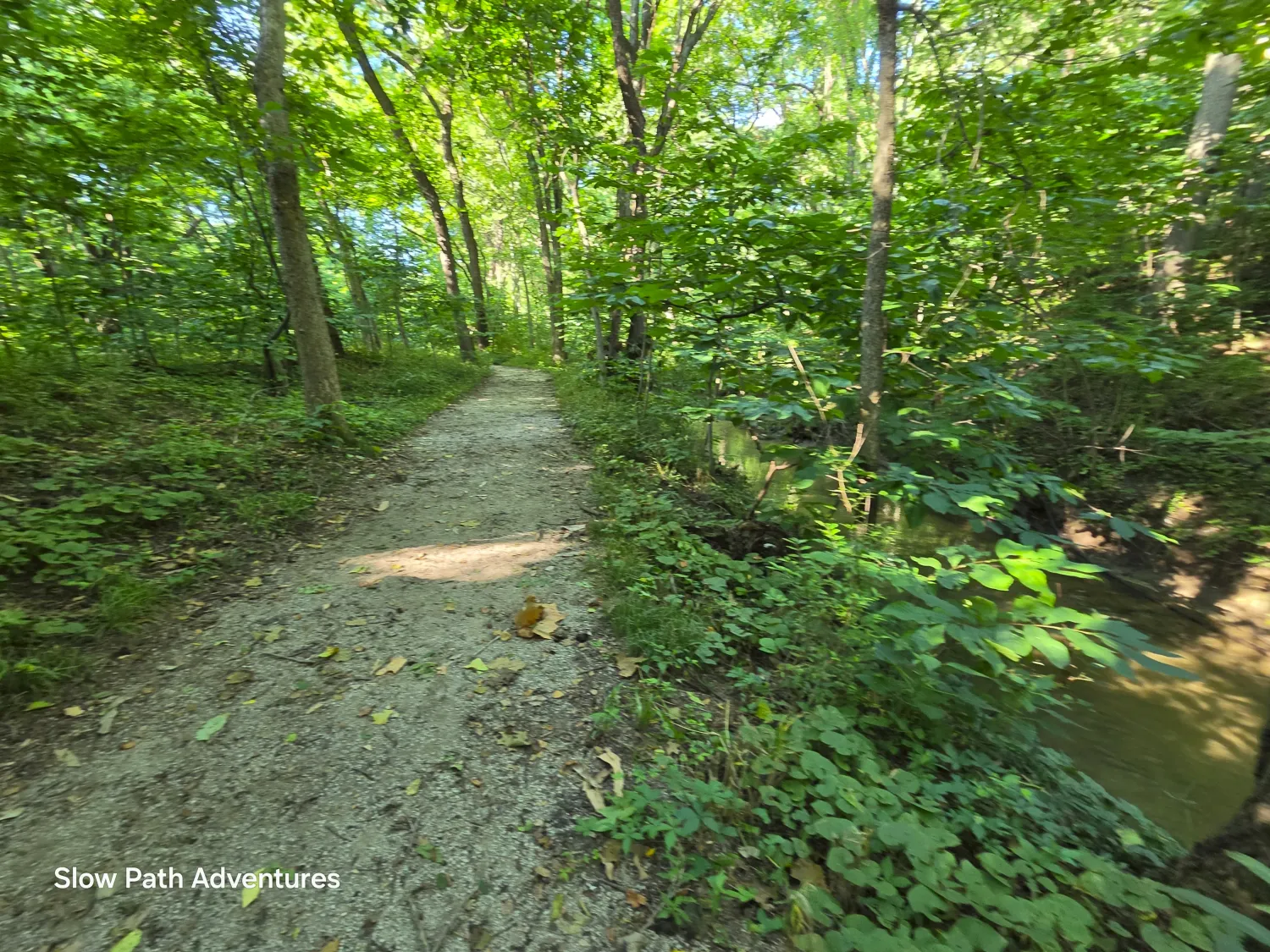
Some days the Slow Path is a trail through the woods.
Some days it’s a winding road with three unplanned stops because you spotted a sign for a spring, a historic site, an old mill, or something else that made you say, I wonder what’s down that road?
And some days it’s setting up camp and doing absolutely nothing impressive for the next two hours.
Highly underrated skill, by the way.
That’s also where I think a lot of traditional outdoor content gets a little too narrow. Even “easy adventure” often starts and ends with trails: mileage, elevation, waterfalls, overlooks.
Useful? Absolutely.
Complete?
Not even close.
A slower outdoor life has room for scenic drives, campgrounds, wildlife, local food, small towns, historic places, seasonal color, roadside discoveries, photography, and those wonderful little stops you didn’t even know existed until ten minutes before you pulled in.
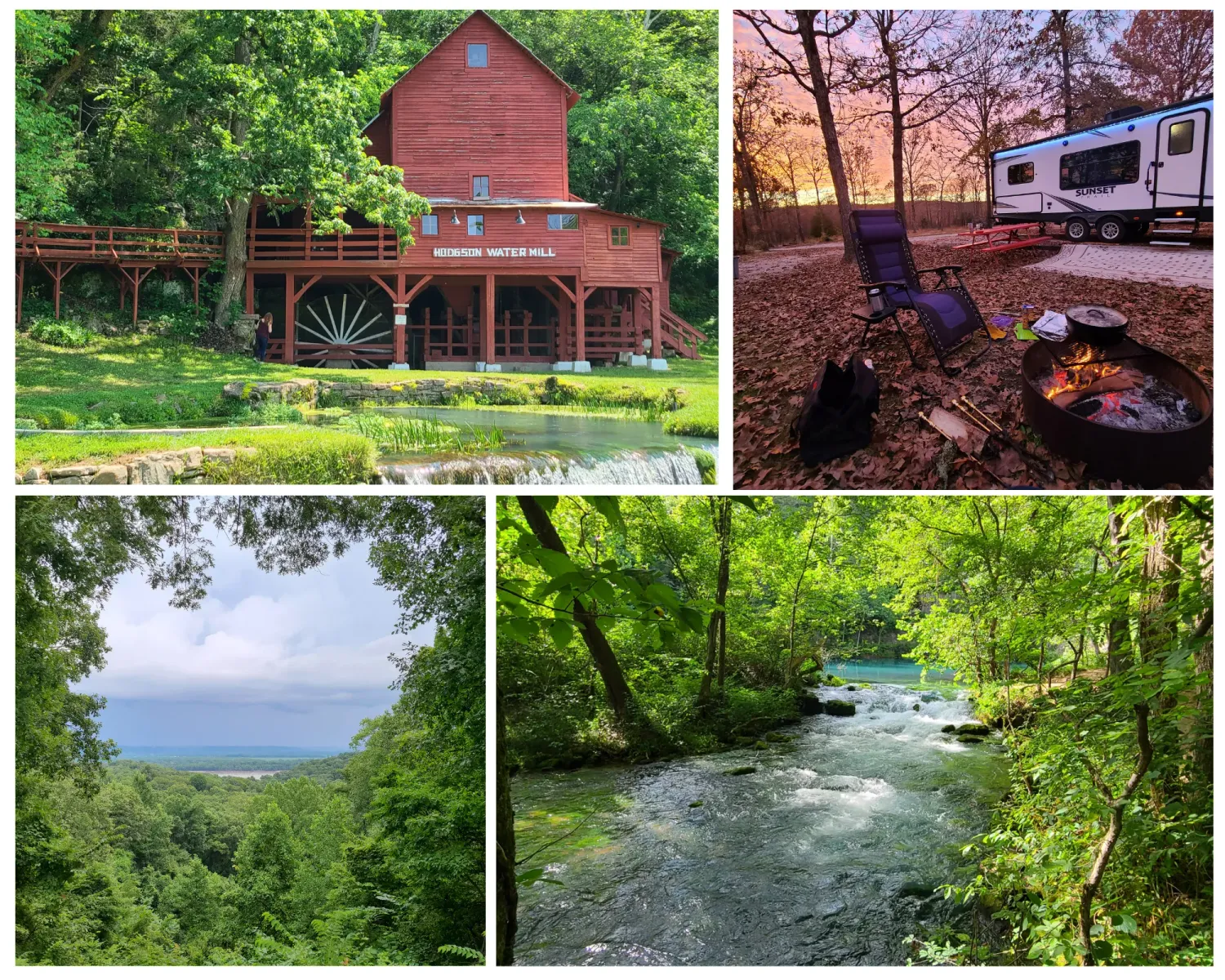
That includes places like Missouri’s historic grist mills—the kind of places where the scenery pulls you in, and then the history makes you stay awhile.
The point isn’t to make adventure smaller.
It’s to make the definition big enough to include the life you actually want to live.
A Better Way to Think About Outdoor Adventure
Here’s the Slow Path reframe:
Stop measuring an adventure by how hard it was and start measuring it by how fully you experienced it.
The Slow Path isn’t about doing less just for the sake of doing less.
It’s about making room to notice more.
Maybe that means choosing the shorter trail because it has the view you came for.
Maybe it means driving the scenic route instead of racing down the interstate.
Maybe it means spending an hour photographing a spring, wandering around a historic mill, watching wildlife from a respectful distance, or sitting outside the camper while the evening settles in.
None of those experiences needs an extreme version to become meaningful.
After years of exploring Missouri parks—and finding unique places in other states we traveled to—I gradually stopped asking whether an outing was impressive enough.
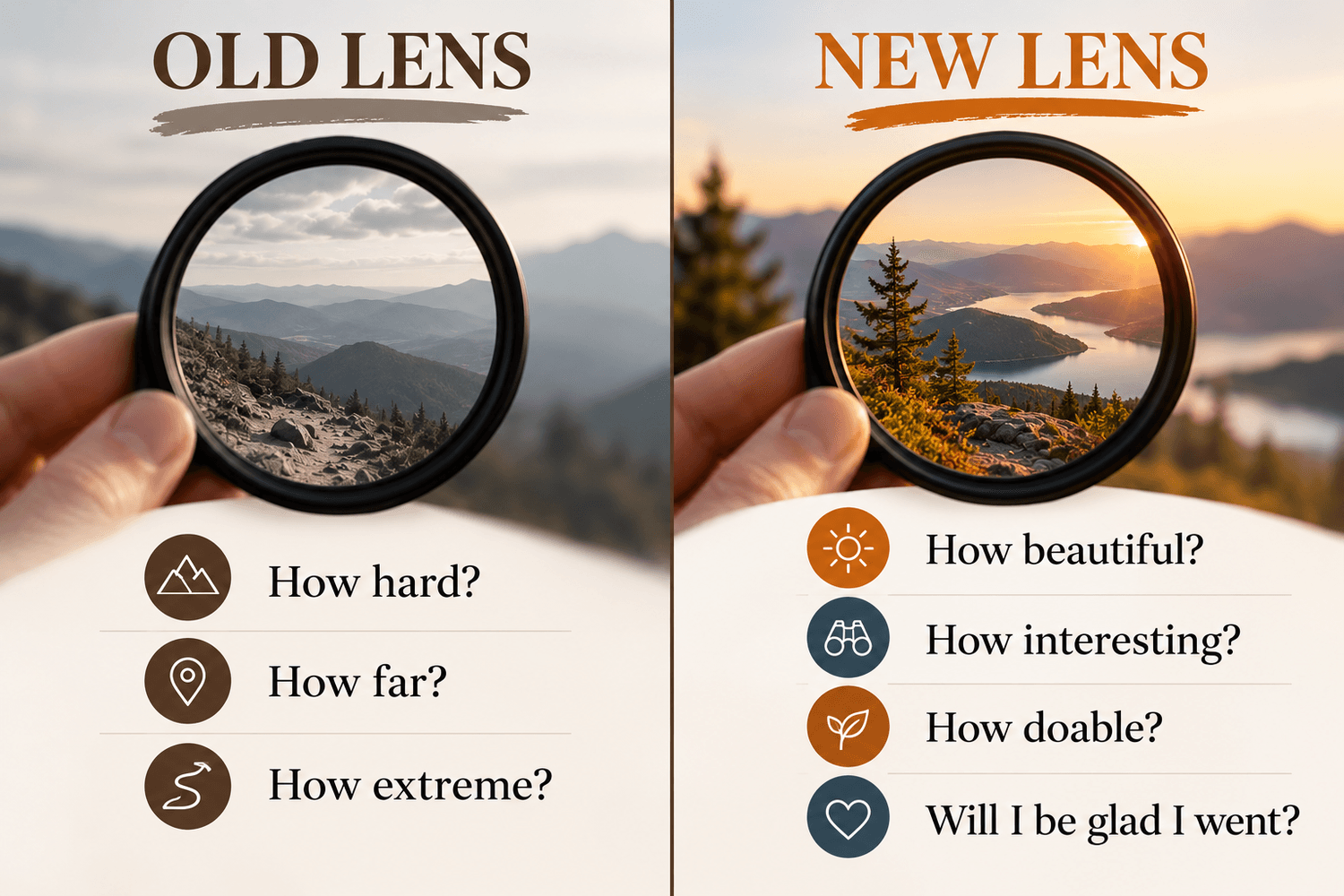
I started asking a much better question:
Will we be glad we experienced this?
That question changed the way I plan adventures.
Instead of chasing somebody else’s bucket list, you start building your own.
Instead of dismissing a place because the trail is short, you ask what there is to see.
Instead of treating a scenic drive like the consolation prize, you realize that sometimes the road itself is the story.
And instead of skipping the history because you came for the nature, you stop at the old mill. You read the marker. You take the photograph. You wonder about the people who stood in that exact spot long before you did.
Suddenly, it’s more than another pin on a map.
There’s a phrase I keep coming back to because it says this whole philosophy better than I ever could with a complicated explanation:
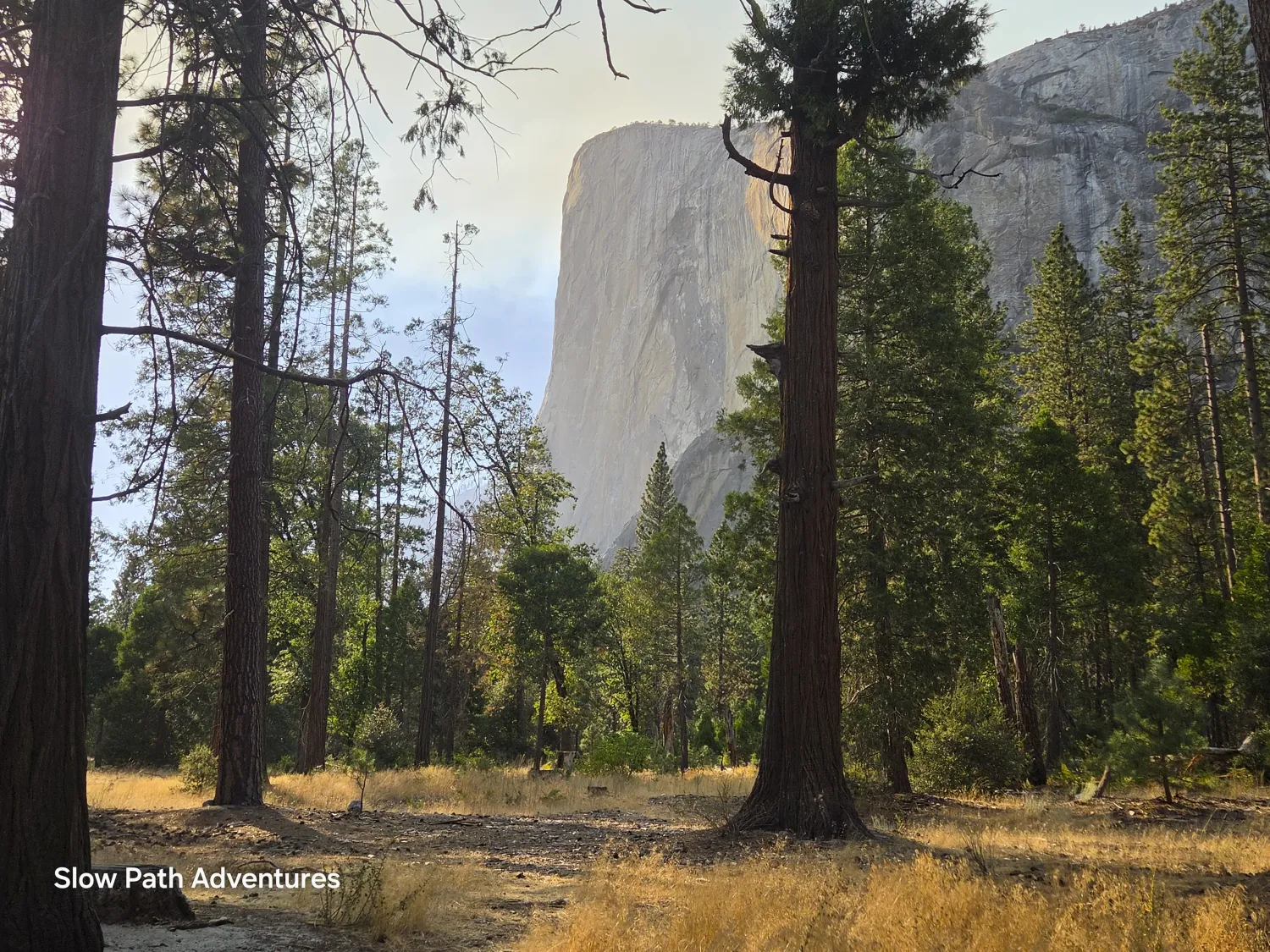
The scenery should take your breath away—not the climb getting there.
FREE ADVENTURE MINI-GUIDE
Your Next Beautiful Saturday
12 scenic, interesting, doable outings—and how to find them near you.
Perfect for Tuesdays, too.
You’ll also receive discoveries and inspiration from The Slow Path. Unsubscribe anytime.
Because adventure isn’t a performance.
It’s participation.
You don’t have to conquer the outdoors to belong in it.
What You’ll Find on The Slow Path
The Slow Path is here to help you find adventures that feel doable, interesting, and actually worth leaving home for.
We’re starting with the kind of exploring that shaped Slow Path Adventures here in Missouri and the Midwest, and then we’re taking that same curiosity across America—without trading away the relaxed pace that made the journey fun in the first place.
My starting point is what I know best: campgrounds, state parks, trails, backroads, overlooked stops, and places we discovered simply because we were curious enough to turn the car around.
And Google Maps.
Oh, Google Maps.
I will literally zoom in and randomly move around the map until I find something interesting.
No search.
Just zooming around looking for tiny roads, parks, landmarks, odd little places and things I’ve never heard of.
Basically, I scroll Google Maps the way normal people scroll social media.
And every once in a while, I find something that makes me say, Wait. What is THAT?
Those are my favorite finds.
As The Slow Path grows, that same filter is coming with us.
Expect scenic hikes that favor the view over the thrill. Comfortable camping and RV adventures. Scenic drives where stopping is part of the plan. State parks, national parks, conservation areas, overlooks, waterfalls, springs, lakes, forests, and seasonal scenery.
There will be small towns, local food, and roadside finds.
And definitely historic places and heritage stops—including old grist mills like Hodgson Mill—that make you want to know who stood there before you and what life looked like when they did.
There will be photography, practical planning, and all those little details that help answer the question every traveler eventually asks:
Is this actually worth the stop?
You’ll also get honesty.
“Easy” is not a magic word, and a short trail isn’t automatically comfortable for every person.
Terrain matters. Footing matters. Incline matters. Weather, parking, crowds, facilities—and yes, your knees—all get a vote.
I’m not here to promise that every adventure will fit everybody.
I want to give you enough useful, firsthand information to decide whether an adventure fits you.
And yes, faith will have a place here, too, because gratitude and wonder are part of how I experience the outdoors.
It’ll be woven in the same way it happens for me on the trail: naturally, quietly, and without turning every overlook into a sermon.
If scenic hiking is where you want to begin, start with The Slow Path Guide: 3 Scenic Hikes for Those Who Love the View — Missouri Edition.
Then come back ready to wander a little farther with us.
The invitation is pretty simple:
Take the road.
Stop for the view.
Read the historical marker.
Walk the trail that fits your body today.
Sit by the fire a little longer.
Turn around for the thing you almost passed.
Take the picture.
And every once in a while, ask:
I wonder what’s down that road?
We came. We saw. We took the Slow Path.
FAQ: Slow Path Adventures
Does Slow Path Adventures only cover easy hikes?
Nope. Scenic, manageable hiking is an important part of Slow Path Adventures, but The Slow Path is much bigger than trails. Expect camping and RV travel, scenic drives, parks, small towns, historic places, photography, local discoveries, seasonal adventures, and the occasional turn down a road simply because it looks interesting.
Is The Slow Path only for people over 55?
Not at all. The Slow Path will be especially useful for adults who want adventure without unnecessary risk or extreme physical demands—including plenty of us over 55—but the philosophy has no birthday requirement. Beginners, couples, campers, photographers, road-trippers, families, and anyone who values the experience more than the bragging rights are welcome here.
Does taking the Slow Path mean avoiding challenging adventures?
No. The Slow Path isn’t anti-challenge. It’s anti-pressure. Take the harder trail when it fits your ability and sounds fun. Take the overlook, scenic drive, or shorter route when that fits better. The point is to make intentional choices instead of letting somebody else’s definition of adventure run your trip.
What is the best way to start a Slow Path adventure?
Start with something that makes you curious and feels realistic for the day you actually have. Pick a nearby trail, park, historic stop, campground, or scenic road. Check the practical details, and go experience it. You don’t need a bucket-list destination to start having adventures. Sometimes you just need a reason to get outside and look around.